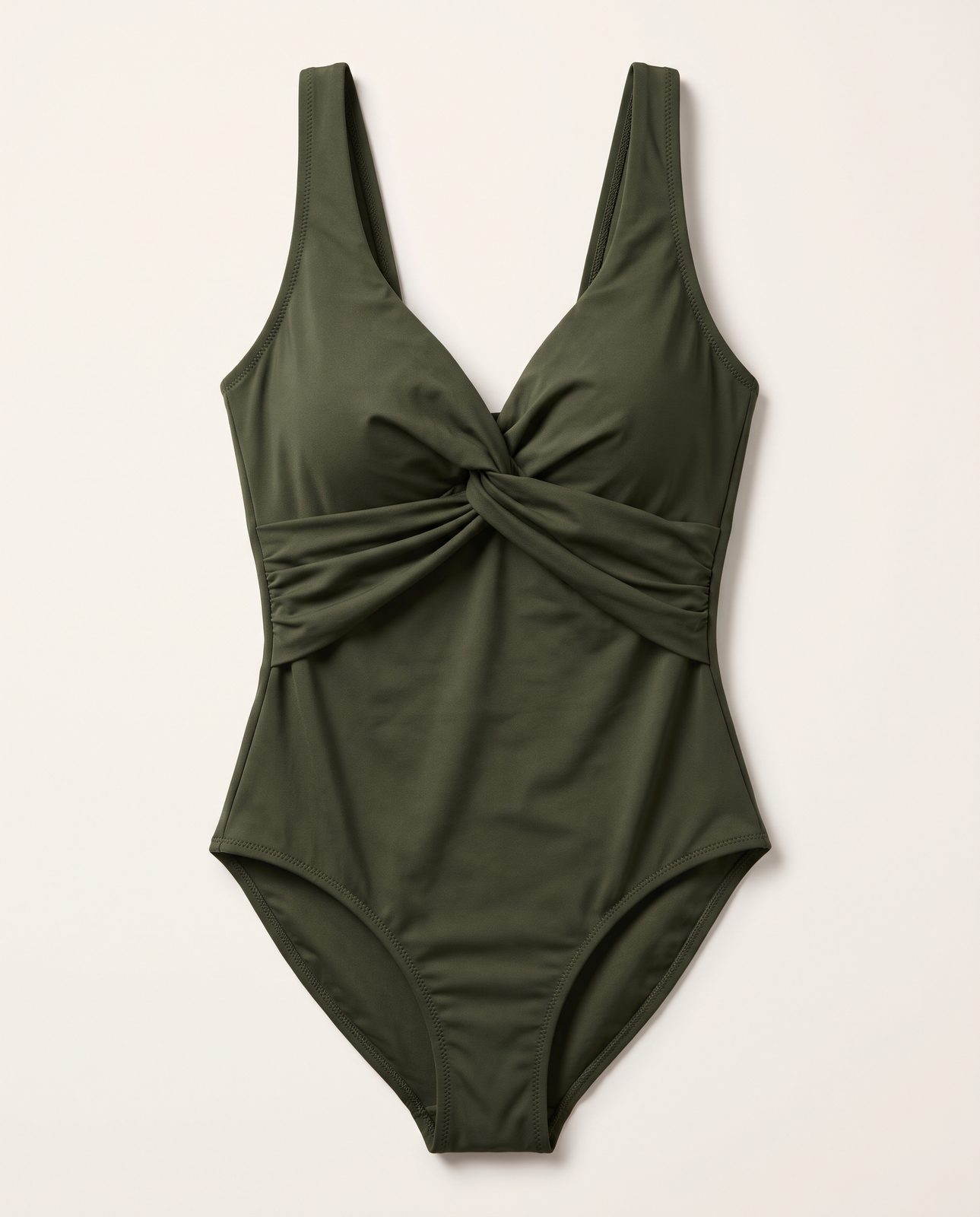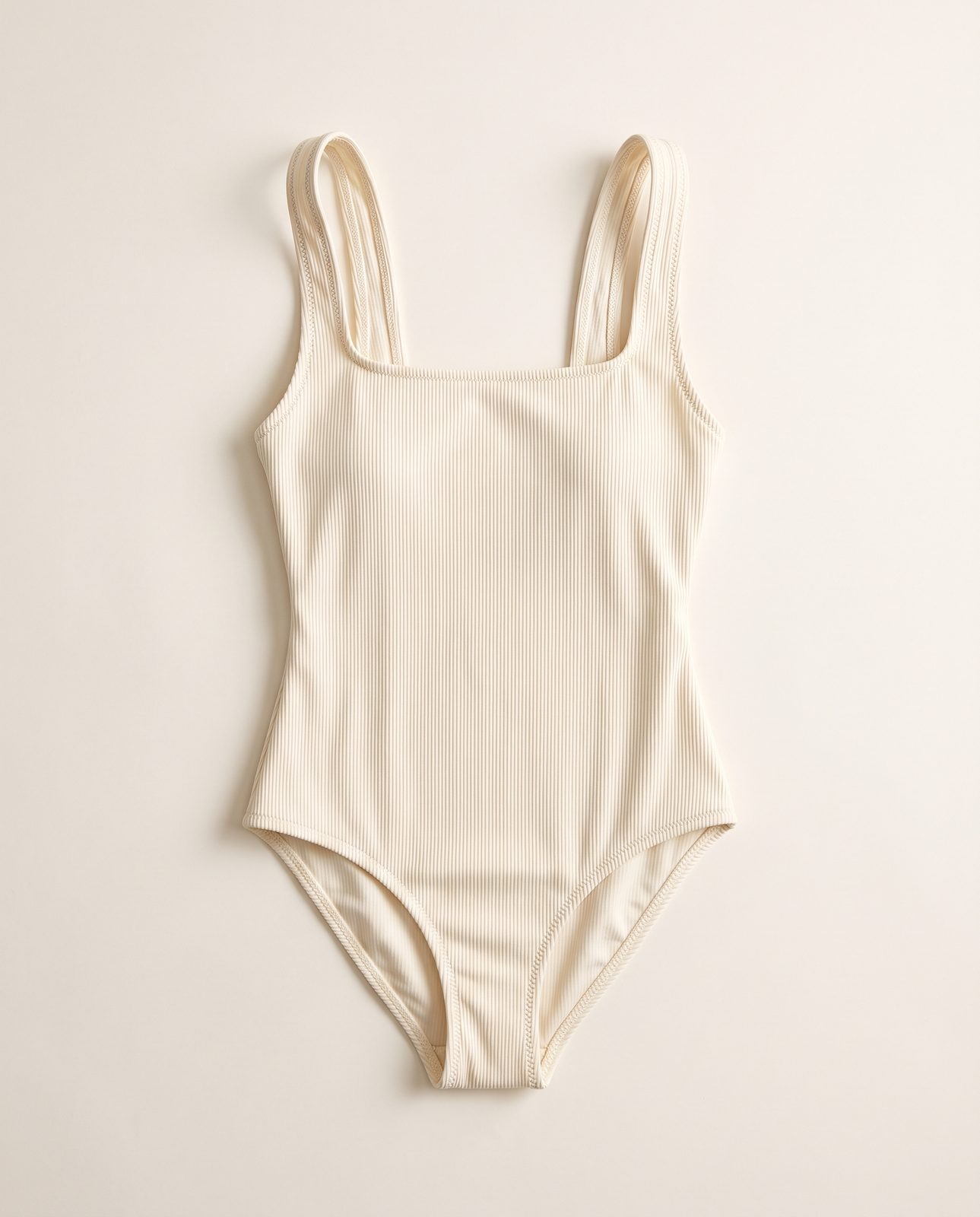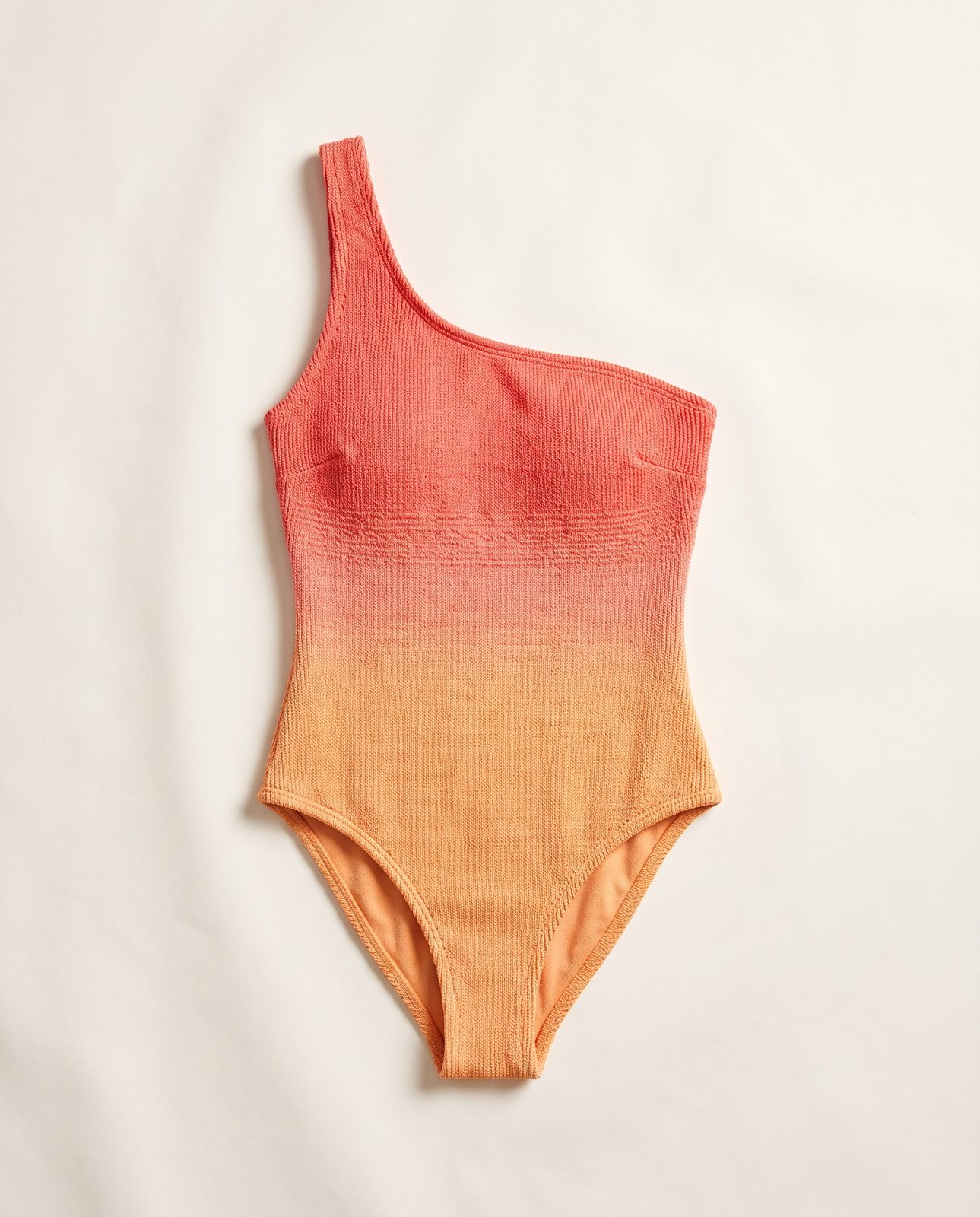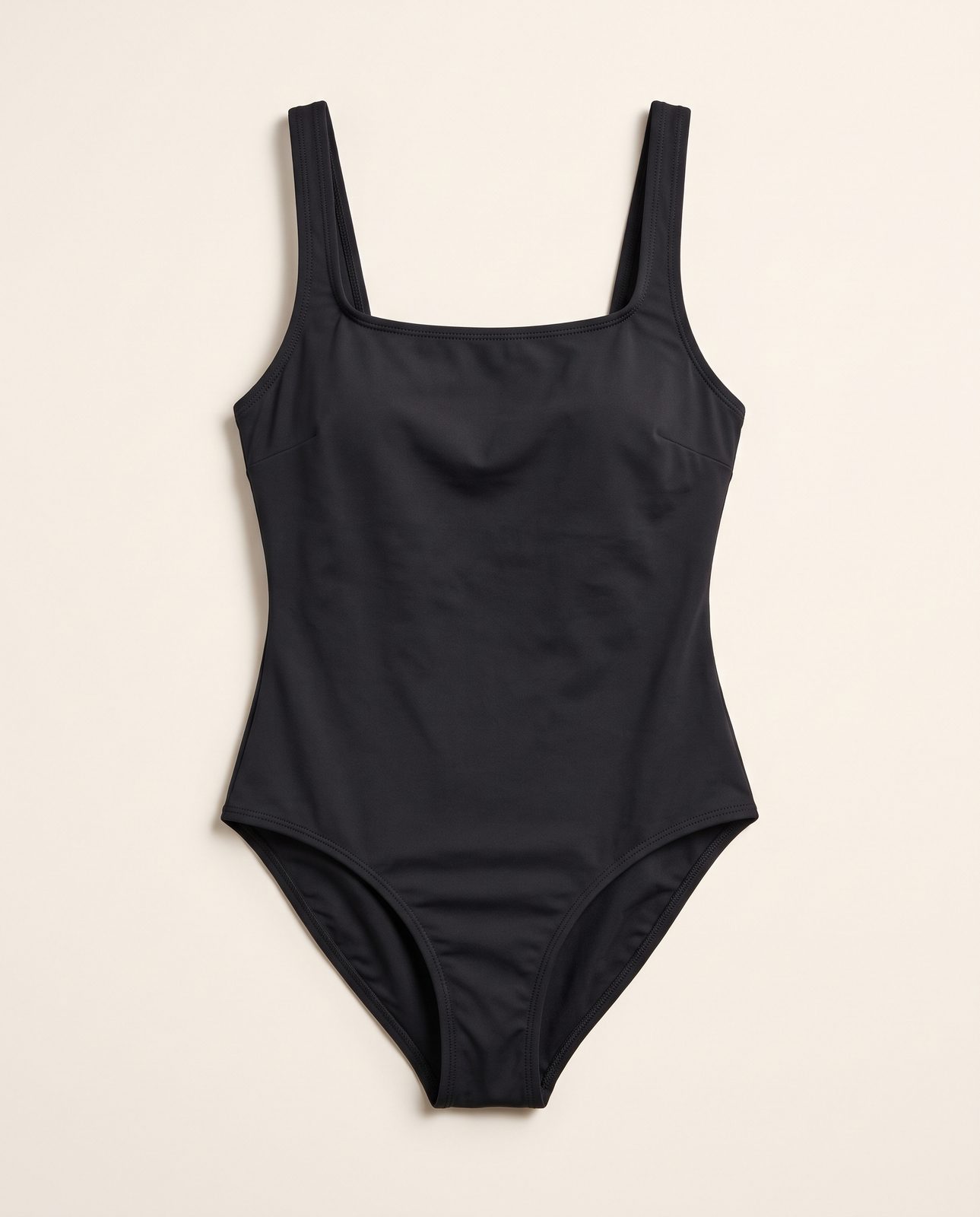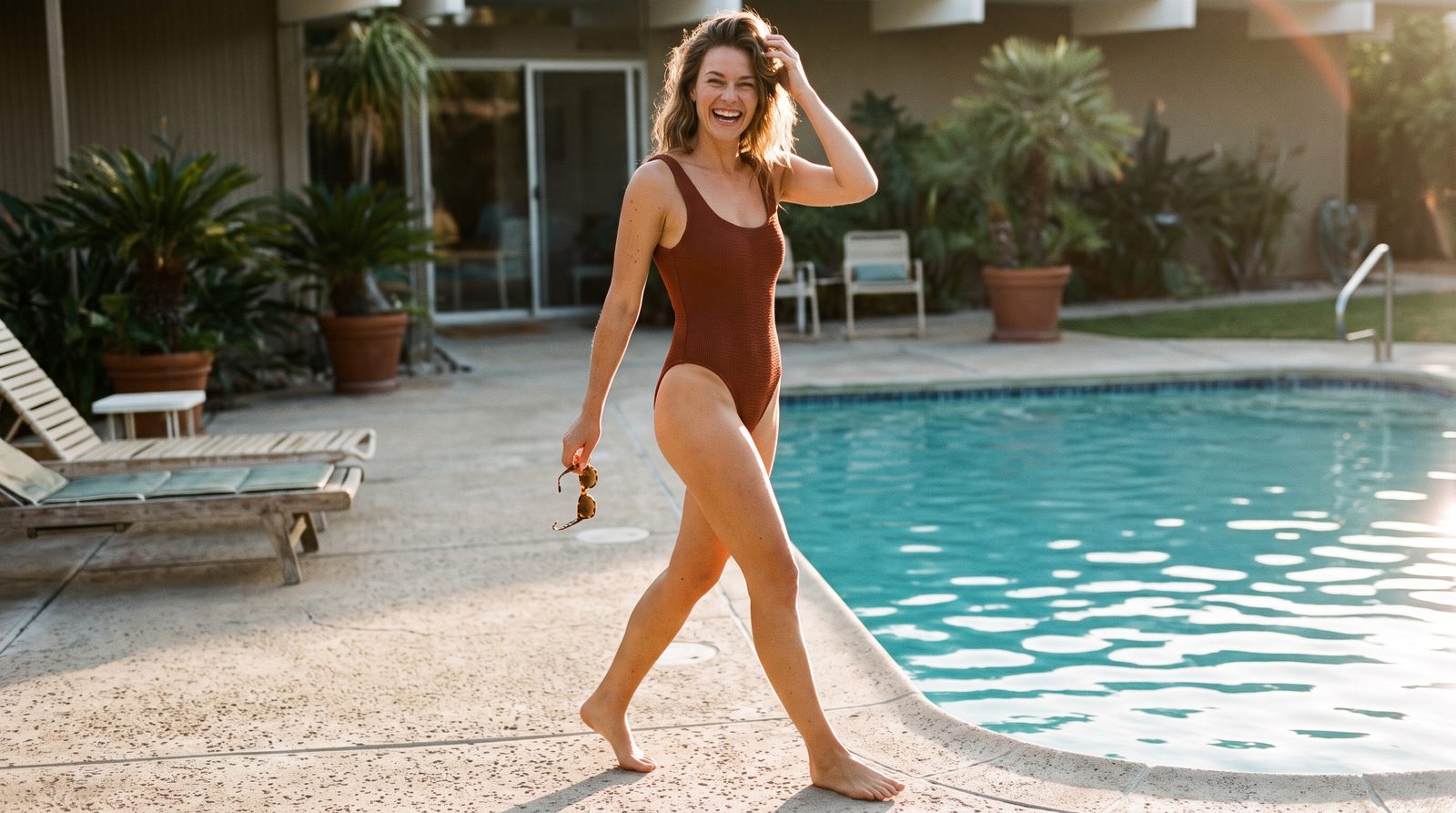
Swimwear for tall women usually fails in one place: the torso. A one-piece cut for an average 165 cm frame runs 4–6 cm short on a woman of 178 cm, so the straps dig into the shoulders and the gusset climbs. The fix is not a bigger size — it is a longer torso cut, and once you know your own measurement you can spot one in thirty seconds.
We fit tall customers in the shop most weeks, and the conversation always starts the same way: with a tape measure over a swimsuit, not a size chart. Here is what we check, in order, and which cuts pass.
Swimwear for tall women: measure the torso first
Stand straight and run a soft tape from the point of the shoulder, down over the fullest part of the bust, through the crotch and back up to the same shoulder point. That loop, divided by two, is your front torso length. Most women between 160 and 168 cm measure 58–62 cm; above 175 cm it is usually 64–68 cm.
Now ask for the flat measurement of the swimsuit: shoulder seam to crotch, garment lying flat and unstretched. A regular one-piece is typically 62–66 cm. You want a garment that measures 2–4 cm less than your body torso length, because 18% elastane fabric stretches 8–12% when wet. Anything closer than that will pull all day.
- Measure over light clothing, not bare skin; a swimsuit sits on skin plus a few millimetres.
- Write the number in your phone. It does not change between seasons or brands.
- Ask for shoulder-to-crotch, not “tall fit”. The label is marketing; the centimetres are not.
Why one-pieces ride up on a long torso
A suit with a short torso length has nowhere to go, so the fabric finds the path of least resistance: up at the leg opening, down at the shoulder. On a 178 cm frame with a 66 cm torso, a 62 cm suit is under 4 cm of tension before you even get in the water, and salt water adds weight that pulls the gusset higher.
You feel it as a suit that needs adjusting every time you stand up. Look for a deep gusset — 8 cm or more of lined fabric at the base — and a seam that sits flat rather than gathered. A high-leg cut, counter-intuitively, rides up less than a boy-leg, because there is less fabric to drag when you walk.
Chlorine makes it worse over time: elastane degrades with every pool session, so a suit that fitted in June can be 1–2 cm shorter by September. Rinse it in cold water after each swim and it holds its length for a season or two longer.
Straps and necklines that stay where you put them
Narrow halters are the enemy of a long torso. A 1 cm tie carries the whole front of a wet suit and will cut in after an hour; 2.5 cm straps, or a wide-set cross-back, spread the load across the shoulder blade instead of the neck.
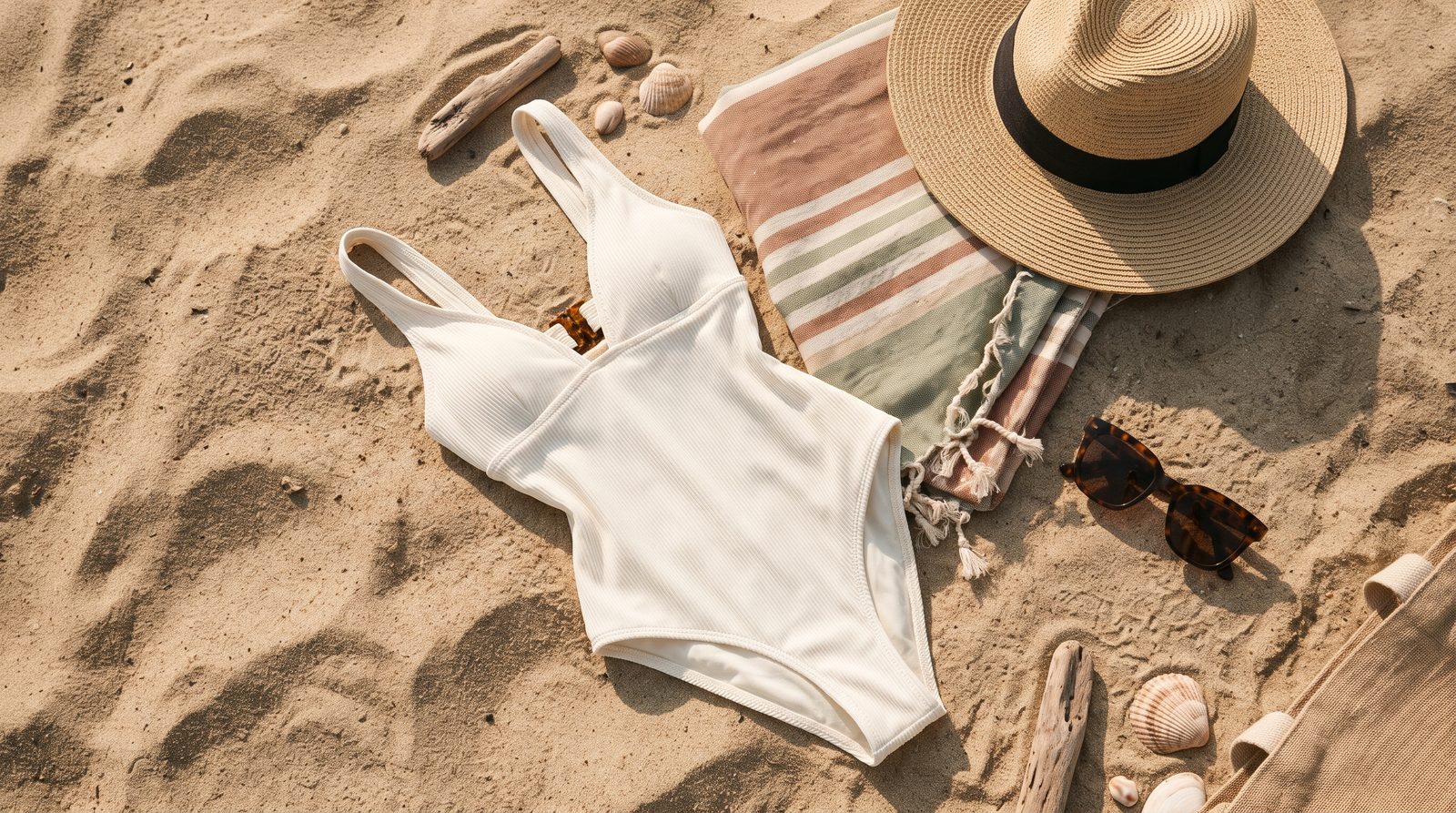
Adjustable sliders buy you 3–5 cm of length, which is often the whole difference. A square or scoop neck keeps the bust in place without a wire, and a twist-front style gathers fabric at the centre, which takes up slack rather than pulling it from the shoulder.
- Adjustable straps: 3–5 cm of play, and check the slider holds when wet.
- Cross-back or racer-back keeps straps off the neck on a long frame.
- Removable cups can be swapped for a thinner pad if the cup sits high on your chest.
- Avoid a fixed straight-back strap shorter than 38 cm.
Bikinis, tankinis and high-waist bottoms
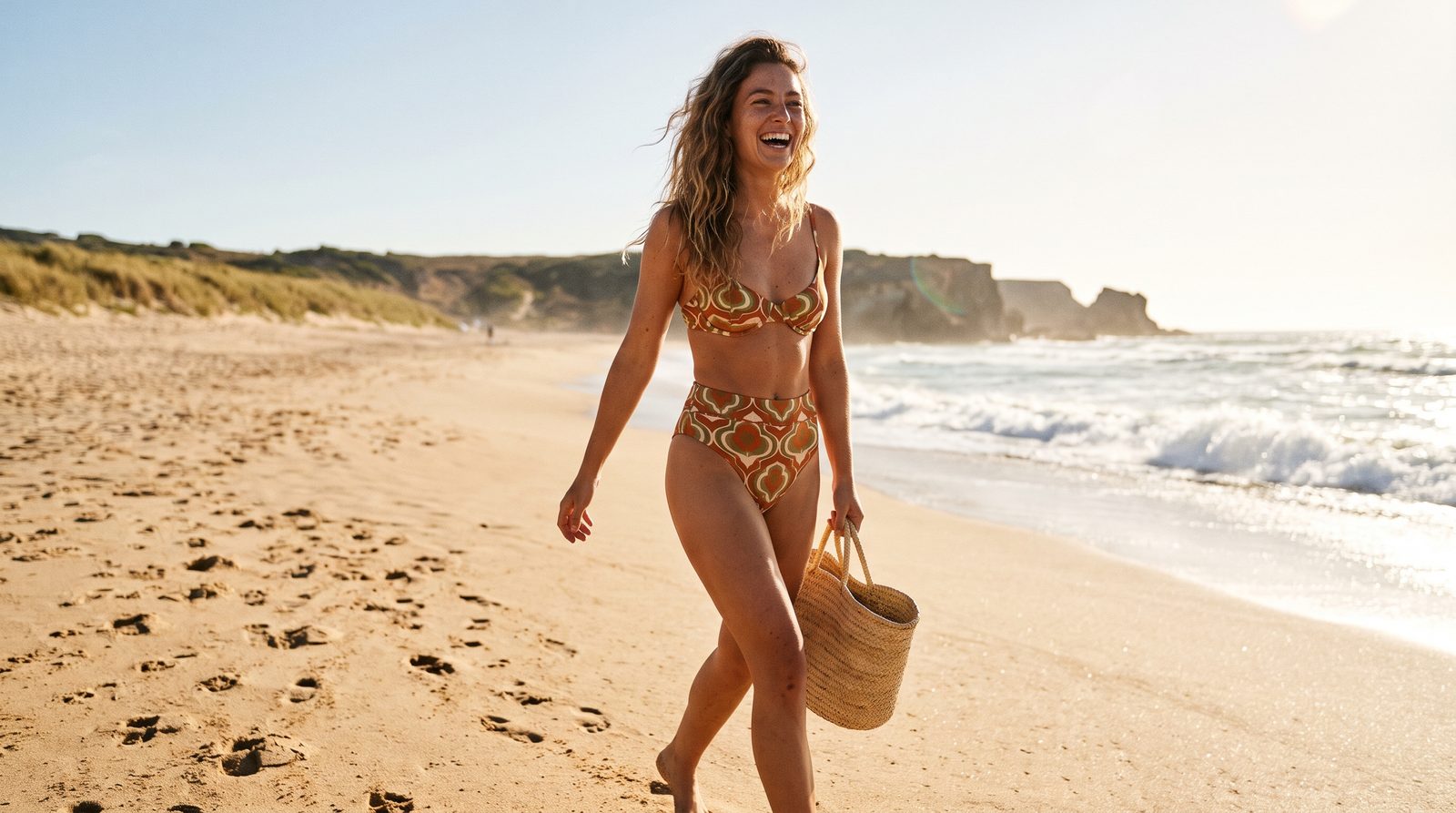
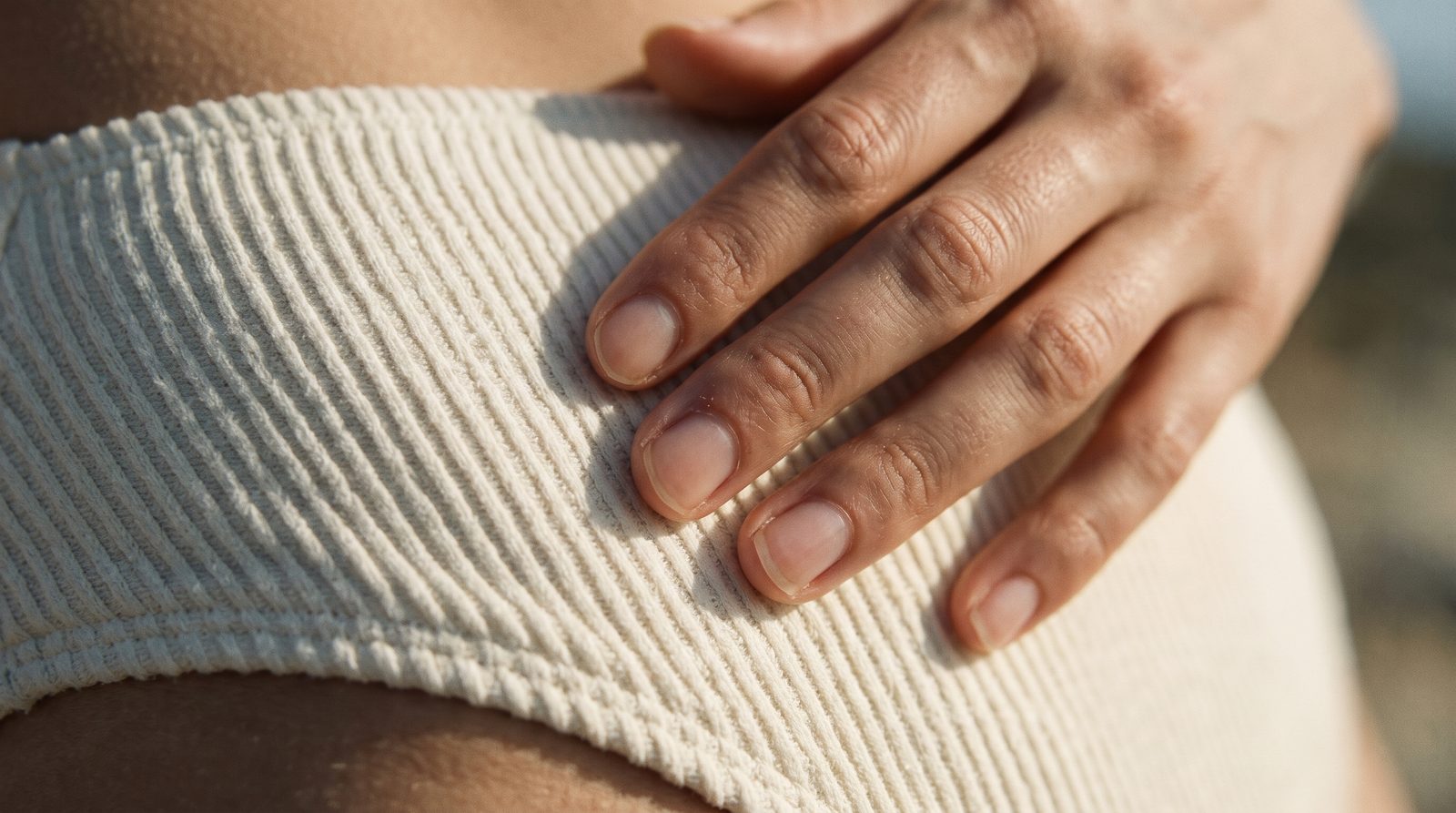
Two-piece swimwear is easier to fit on a tall body because you can size the top and bottom separately, but the rise is where it goes wrong. A high-waist bottom with a 26 cm rise sits below the navel on a long torso and looks like a folded-down waistband. Look for 32–36 cm.
Tankinis solve the coverage question but add a hem that floats up in the water. If you like the shape, choose one with a band at the hem or a tie at the side. Bandeau tops need a silicone strip or a tie back; on a tall frame the bust sits further from the waist, so a strapless top has more leverage to slide.
Cover-ups, sarongs and lengths that balance
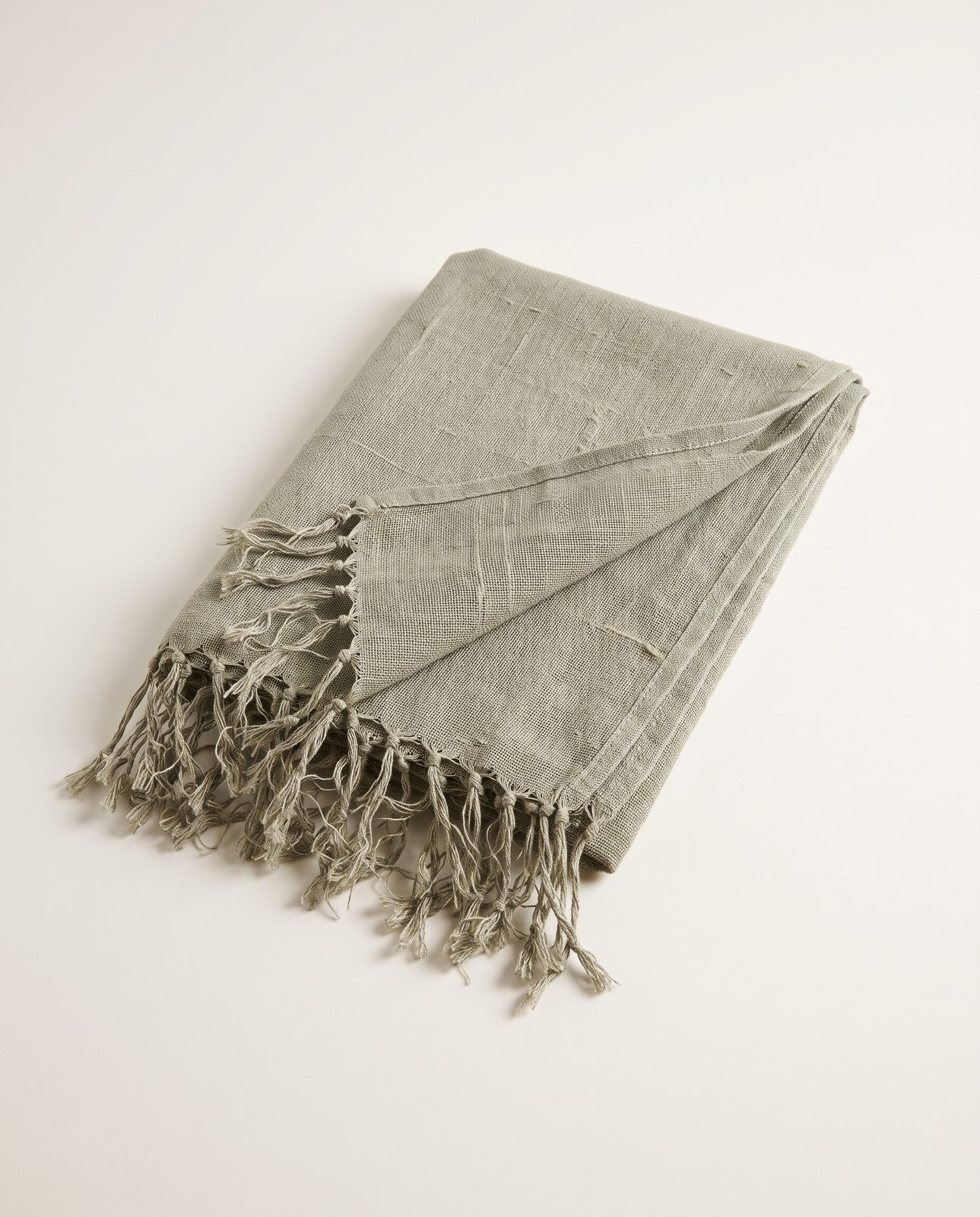
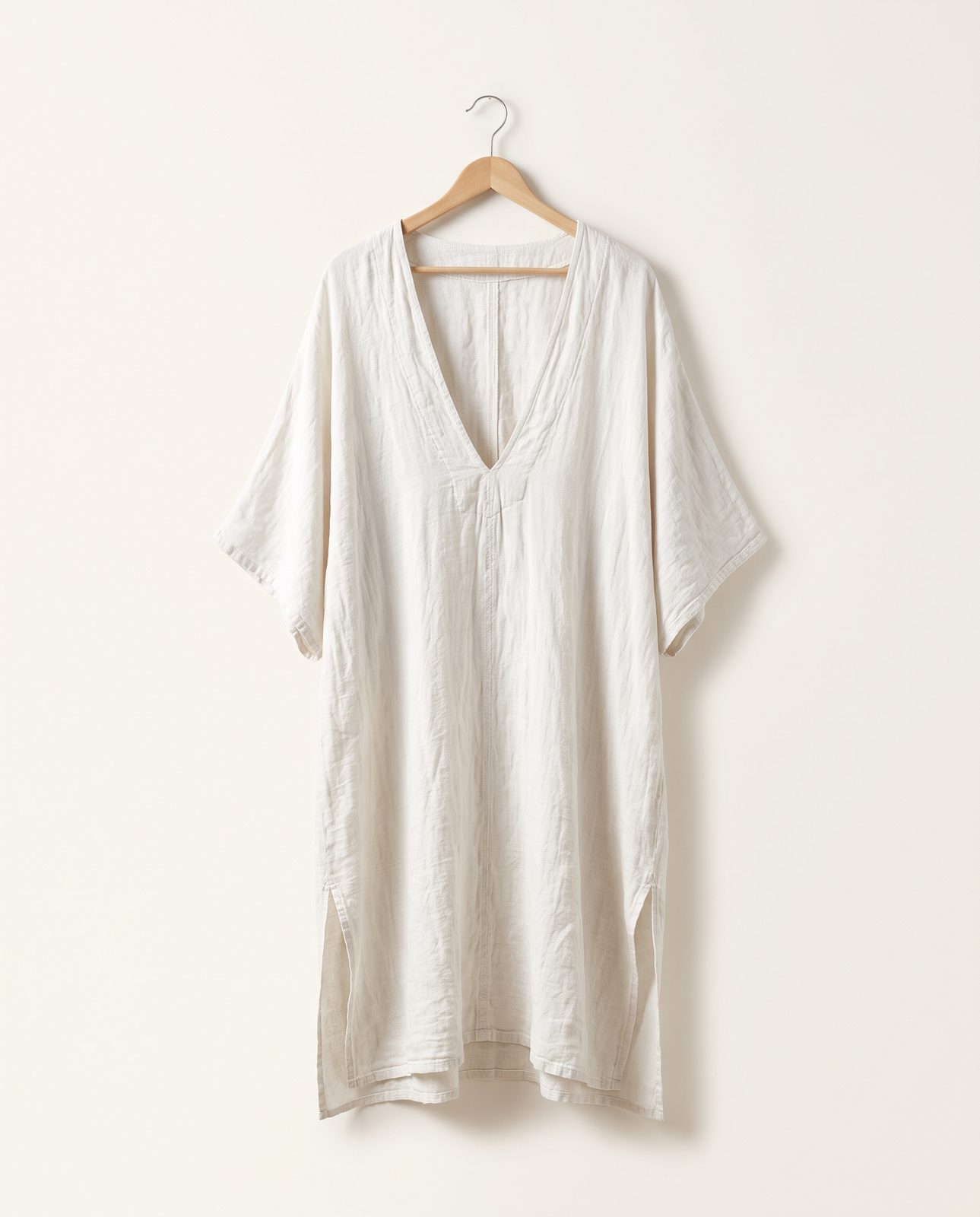
A tall body carries length well, so a 130 cm cover-up dress that grazes mid-calf looks deliberate rather than swamping. A sarong tied at the hip and over one shoulder adds a vertical line; tie it at the waist and you cut yourself in half at the widest point.
Swim shorts and skirted bottoms are the other option: a 7 cm inseam reads as sporty on a 180 cm frame, while a 12 cm boy-short can look like underwear. A pareo of 180 × 100 cm is long enough to wrap twice at the chest and still reach the knee.
Frequently asked questions
What counts as tall in swimwear sizing?
Most brands cut tall swimwear for 175 cm and above, or for a torso longer than 64 cm. The label matters less than the flat measurement, so ask for shoulder-to-crotch length before you buy.
Can you alter a one-piece to fit a long torso?
Rarely worth it. Letting out a swimsuit means adding fabric at the strap or gusset, and the seam rarely survives chlorine. A tailor will charge €20–30 for a job that lasts one season; buying the right cut costs nothing extra.
Do tall women need a bigger size in swimwear?
Usually not. Sizing up adds width at the bust and hip rather than length in the torso, and the suit gaps at the back. Fit the torso first, then adjust the size.
Which swimsuit style suits a long torso best?
A one-piece with adjustable straps, a scoop or square neck and a high leg. If you prefer two pieces, a bikini with a 32–36 cm rise gives more control than a classic high-waist cut.