Sunglasses for the beach need two things above all: a lens dark enough for open sand and water, and a frame that stays on a sweaty nose. That means category 3 lenses, a UV400 filter and a shape that follows the brow rather than sitting on the cheekbones. Everything else — polarisation, mirror coatings, frame material — is a trade-off worth understanding before you spend €49 or €300.
We sell one pair of acetate sunglasses and we are fussy about them, because beach eyewear fails in predictable ways: screws loosen, coatings blister in salt water, and frames slide down on the walk back from the water.
Lens categories 0 to 4 in plain numbers
Lens categories describe how much visible light reaches your eye. Category 1 lets through 43–80%, category 2 18–43%, category 3 8–18% and category 4 3–8%. On white sand at midday, reflected light can be intense enough that category 2 feels dim, which is why category 3 is the standard choice for beach and driving.
Category 4 is for high mountains and glaciers, and it is too dark for driving in most European countries. Look for the category number printed on the temple arm, along with a UV400 marking. UV400 means the lens blocks wavelengths up to 400 nm, the whole UV spectrum; a lens without it may darken your view without filtering UV.
Polarised or not
Polarised lenses have a filter that blocks light vibrating horizontally, which is exactly how glare comes off water and wet sand. The effect is dramatic: the surface of the sea flattens, you can see rocks under the surface, and the glare off a white boat deck disappears. For reading on a beach or watching the horizon, it is the single biggest comfort upgrade.
The trade-offs are real. Polarised lenses can make some phone and dashboard screens look black at certain angles, and they reduce the sparkle that helps you judge distance on the water. If you paddleboard or sail, a category 3 non-polarised lens is the better call. For sunbathing and swimming, polarised wins.
- Polarised: cuts water and sand glare, best for lounging
- Non-polarised: keeps surface detail, better for sailing
- Check the category number on the arm, not the sticker
- UV400 marking is the one that matters for UV
- Mirror coatings reduce visible light, not UV
Frame material: acetate, nylon and metal
Acetate is a plant-based plastic that can be adjusted with heat and holds a colour deep in the material rather than on the surface. It weighs more than nylon — a typical pair is 28–35 g — and that weight is what keeps a frame planted on the face. Acetate also handles salt water well, though the hinges are the part that corrodes first.
Nylon and TR90 frames weigh 18–22 g and are almost indestructible, which makes them the choice for sport and packing. Metal looks sharp, but salt water gets into the plating at the nose pads, and within a season you get green marks on the skin. If you swim in your sunglasses, nylon is safer; if you wear them from beach to dinner, acetate looks better.
Fit: the 15-minute adjustment that matters
A frame should sit with the bridge on the nose without pinching and the temples touching the sides of the head just behind the ears. If it slides when you look down, the temples are too wide or the bridge too loose. A 140 mm temple length suits most adults; 135 mm for smaller faces, 145 mm for larger.
For the beach, look for a slight wrap or a 6-base curve, which keeps wind and spray out of the eyes. Nose pads help, but on a sweaty nose they slide worse than a moulded acetate bridge. A floating strap or a 2 mm cord costs a few euros and turns any pair into something you can wear in the water.
Salt, sand and scratched coatings
Rinse sunglasses in fresh water at the end of the day, then dry them with a microfibre cloth. Wiping a dry lens with a beach towel is how most scratches happen — sand grains trapped in cotton act like sandpaper. Never leave them on a car dashboard: 60°C softens acetate, crazes anti-reflective coatings and can lift a mirror film at the edge.
Salt crystals are the second problem: they sit in the hinge and around the lens bevel, and every fold of the arm grinds them in. A weekly rinse and a drop of silicone grease on the hinge screw once a season keeps a pair going. If a screw keeps loosening, a dab of clear nail varnish on the thread holds it.
- Rinse in fresh water after every beach day
- Dry with microfibre, never a towel
- Store in a hard case, not a pocket
- Tighten hinge screws once a season
- Keep out of hot cars and off dashboards
Sunglasses for the beach: what we wear
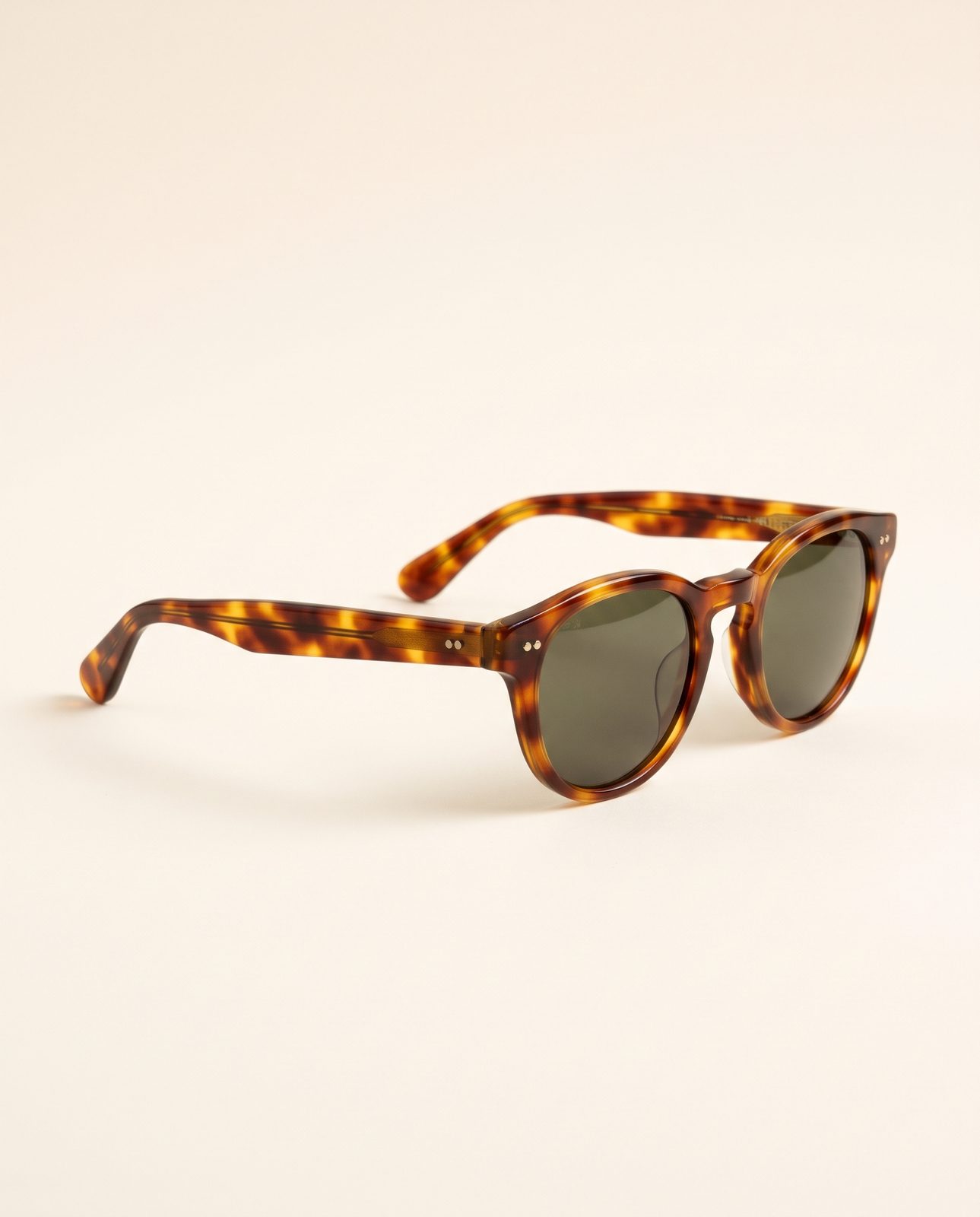
Our acetate sunglasses are a rounded-square frame in tortoiseshell, 30 g with category 3 lenses and a moulded bridge that grips without nose pads. They suit a hat brim and a ponytail, which sounds trivial until you try to wear a bucket hat with a wide temple arm. The shape also covers the upper cheek, where reflected light hits hardest.
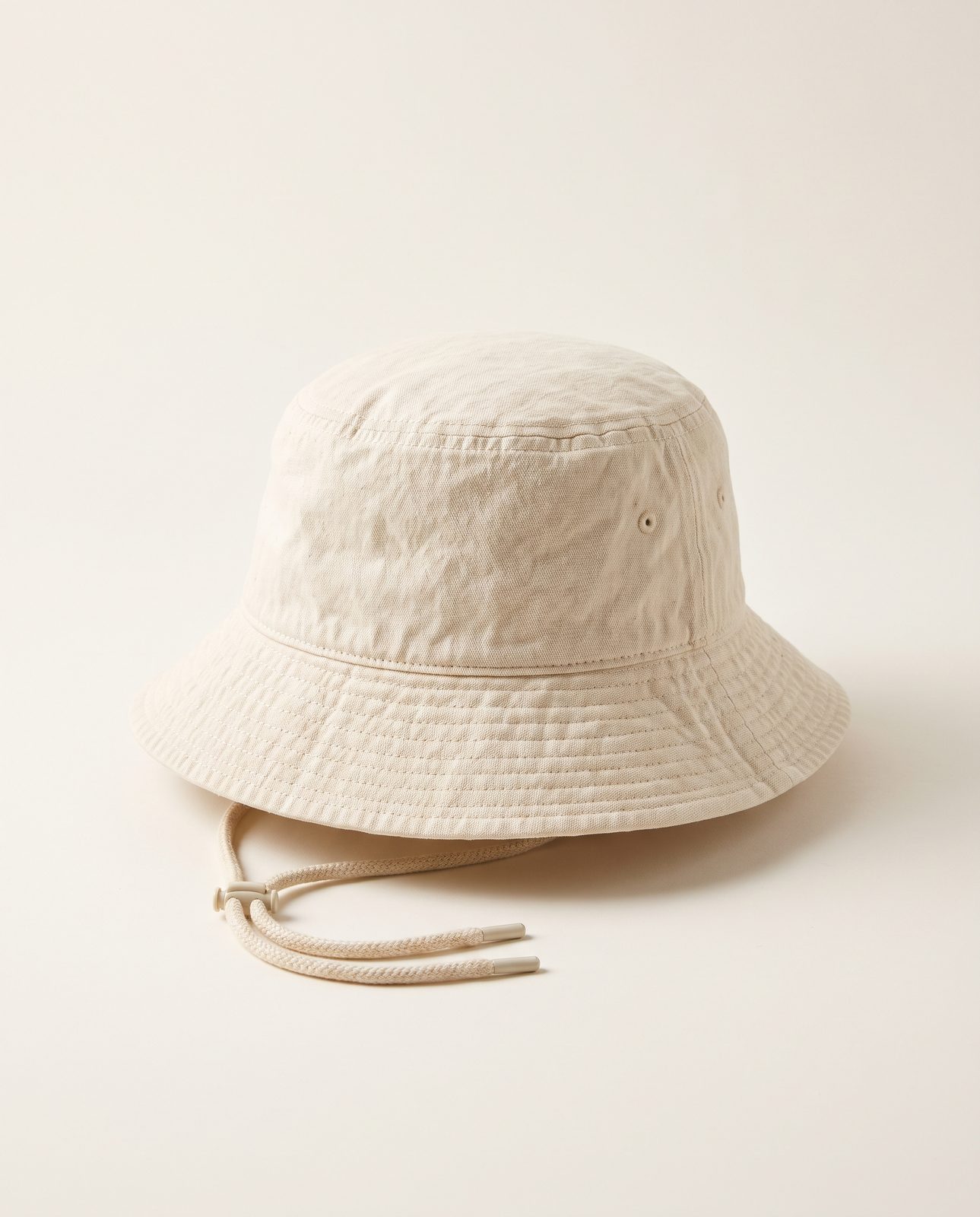
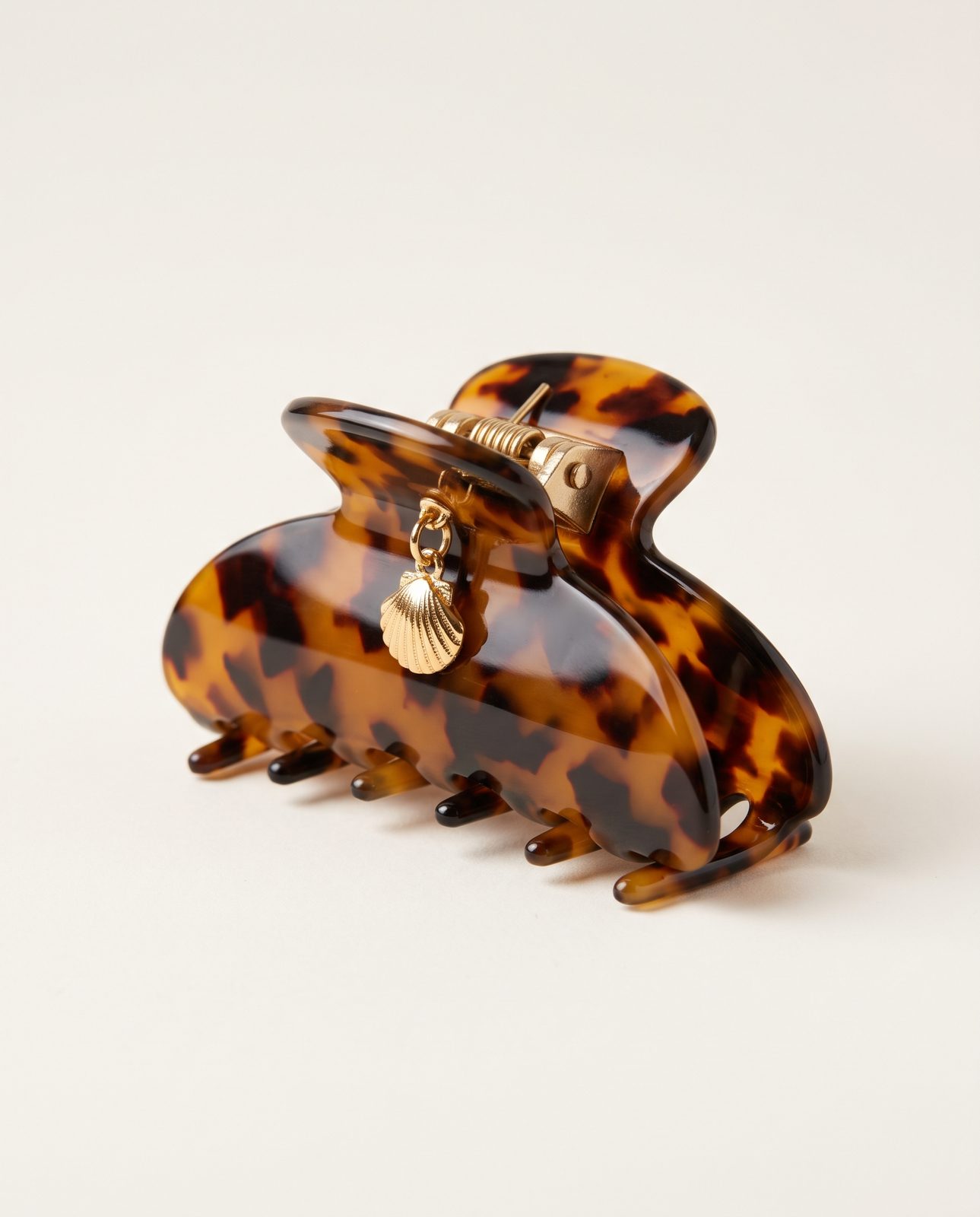
Pair them with a cotton bucket hat for the walk to the water and a shell hair claw so the arms are not pushed out by a topknot. If you are in and out of the sea all day, add a floating strap and accept a two-season life for the coating.
Frequently asked questions
What lens category is best for the beach?
Category 3, which transmits 8–18% of visible light and copes with white sand and water glare. Category 2 is fine for cloudy days and city wear. Category 4 is too dark for driving and unnecessary unless you are on a glacier.
Are polarised sunglasses worth it for the beach?
Yes for lounging, reading and watching the sea, because they remove the horizontal glare that makes you squint. They are less ideal for sailing or paddleboarding, where surface sparkle helps you judge the water. Choose polarised for sunbathing, plain category 3 for watersports.
How do I stop sunglasses sliding down my nose?
Check the temple width first: if the arms do not touch behind the ears, the frame is too wide. Acetate frames can be adjusted with gentle heat by an optician. On the beach, a 2 mm cord or floating strap is more reliable than nose pads on sweaty skin.
Do cheap sunglasses protect your eyes?
Only if they carry a UV400 marking. A dark lens without UV filtering is worse than no lens, because the pupil widens and lets in more UV. Category and UV400 markings are the two things to check, whatever the price.
How do I clean salt off sunglasses?
Rinse them under cool fresh water, shake off the excess and dry with a microfibre cloth. Do not wipe a dry lens that has sand on it. Once a season, tighten the hinge screws and rinse the fold with fresh water.