Modest swimwear works when the coverage is built into the pattern rather than added on top of it. A higher neckline, a longer sleeve or a skirted leg changes where the fabric pulls, how much water it holds and how the suit looks in full sun. This guide covers the measurements to check, the fabric weights that stay opaque when wet, and the fit tests that save a return.
We sell swimwear from Spain to customers in the UK, US and across Europe, and the questions we get about modest styles are almost always practical: will the sleeve ride up, does the skirt float, can you see the lining. The answers come down to numbers more than taste, so here they are.
What modest swimwear coverage looks like in centimetres
Modest is not one silhouette. In our fit notes it usually means some combination of a neckline that sits 6–8 cm below the collarbone, a sleeve ending between elbow and wrist, a hem that covers the seat, and a leg opening 3–5 cm lower than a standard high-leg cut.
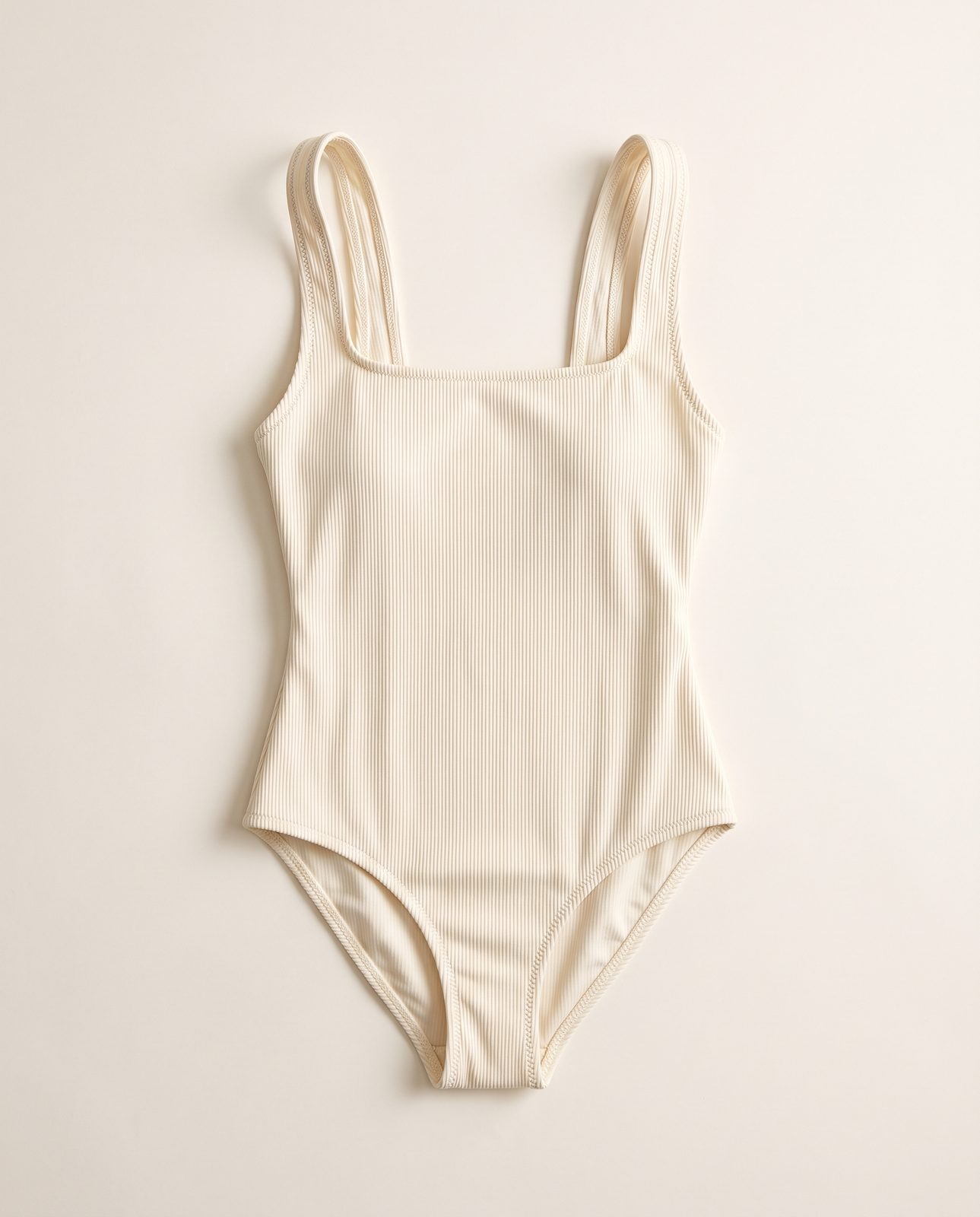
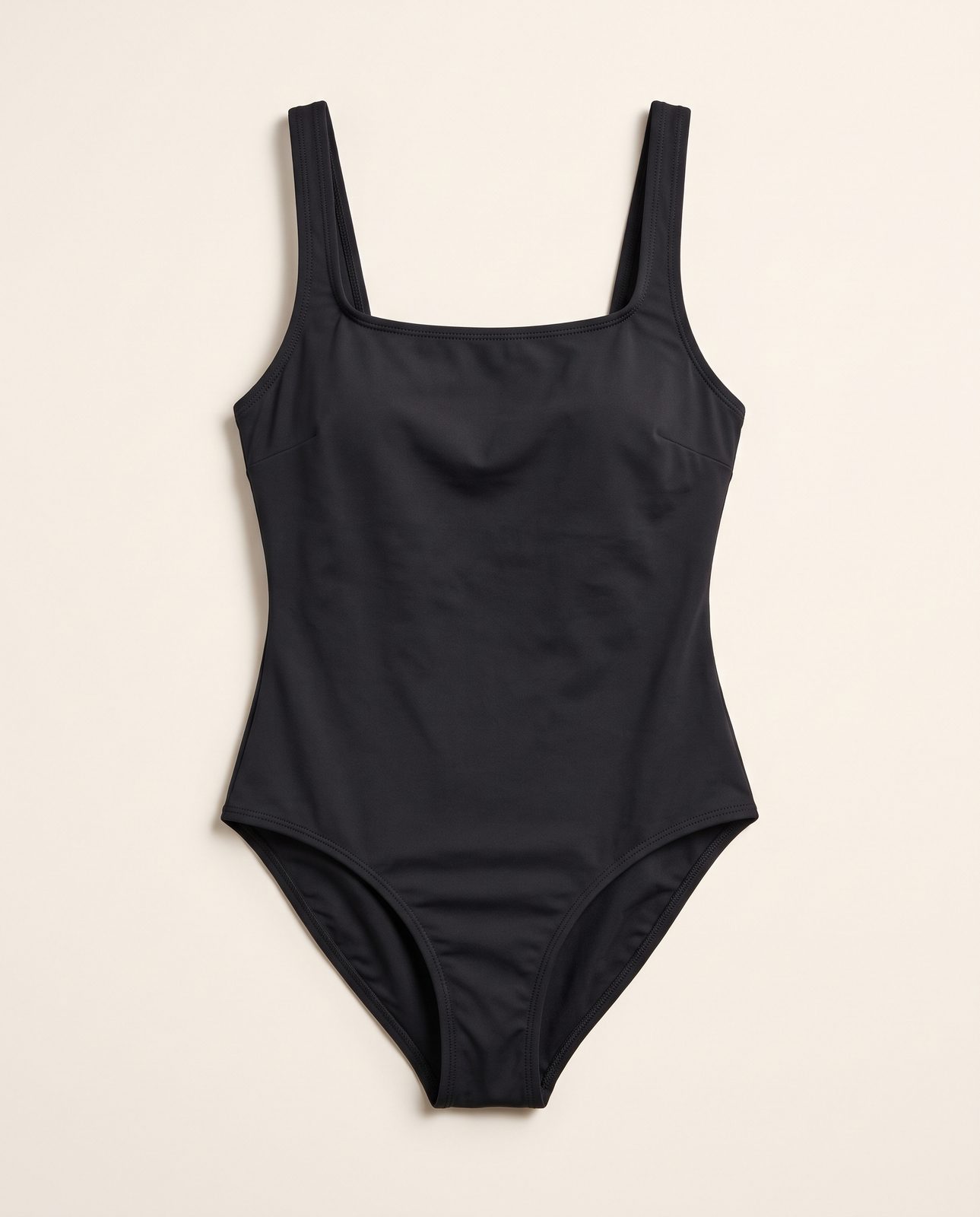
Decide which of those four you actually want before you shop. A high neck with a standard leg is a very different garment from a modest neck with a skirted leg, and shops use the word 'modest' for both. If you only care about the bust and shoulders, a square-neck one-piece plus a loose linen shirt will feel less restrictive than a full-coverage suit and dry faster between swims.
- Neckline: 6–8 cm below the collarbone keeps the chest covered without pressing on the throat.
- Sleeve: elbow length, about 30 cm from the shoulder seam, is the most useful compromise for swimming.
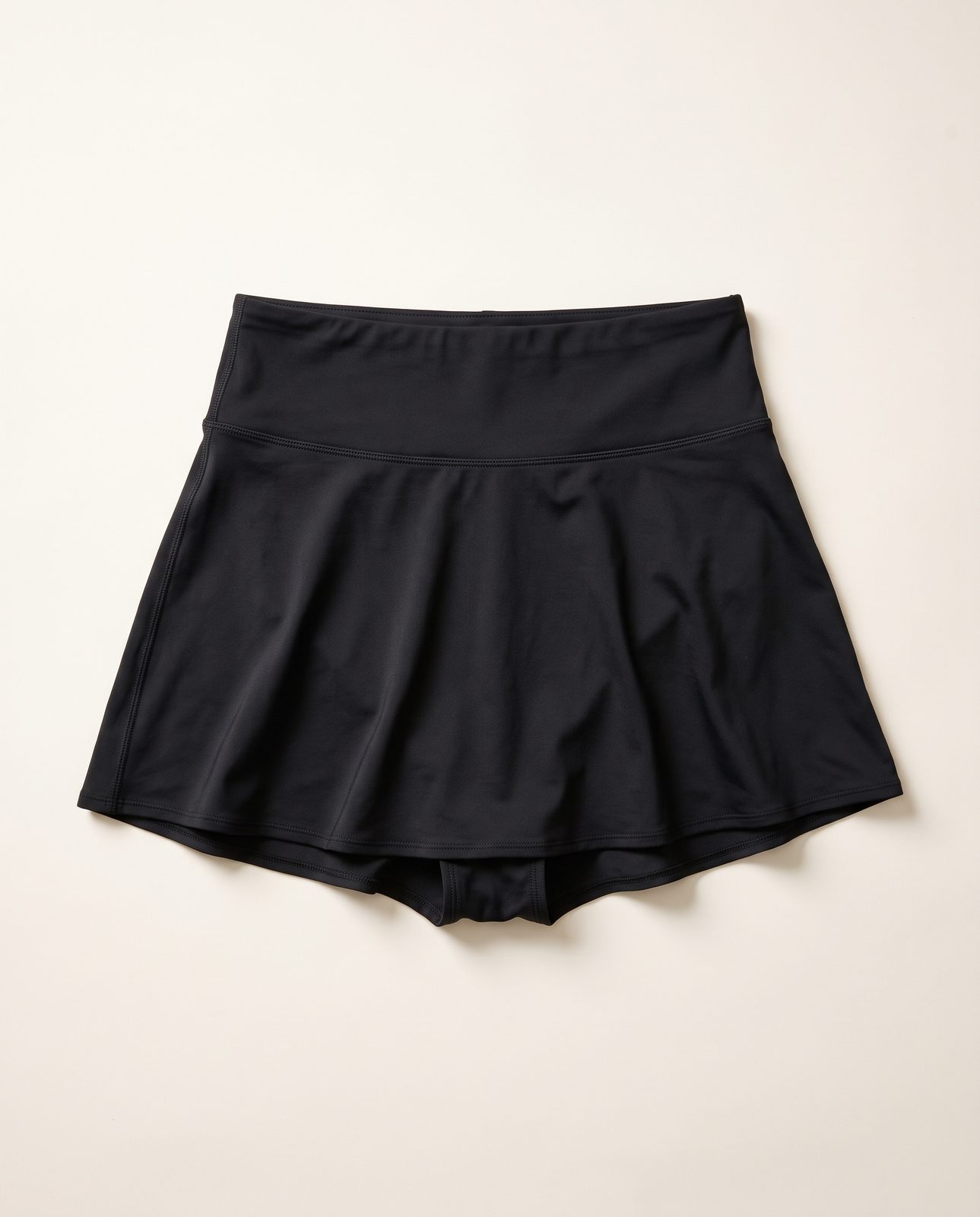
- Leg: a 5 cm lower cut covers the upper thigh; a skirt adds 20–25 cm of drape.
- Seat: check the back rise measurement rather than the front — that is where coverage usually fails.
Fabric weight decides whether coverage stays opaque
A pale swimsuit goes transparent for one reason: not enough grams per square metre, or a lining that is too thin. Swim jersey in the 220–250 gsm range with a bonded lining holds its colour and opacity when wet. Lighter 180 gsm fabric clings and shows the body underneath, which defeats the point of buying coverage.
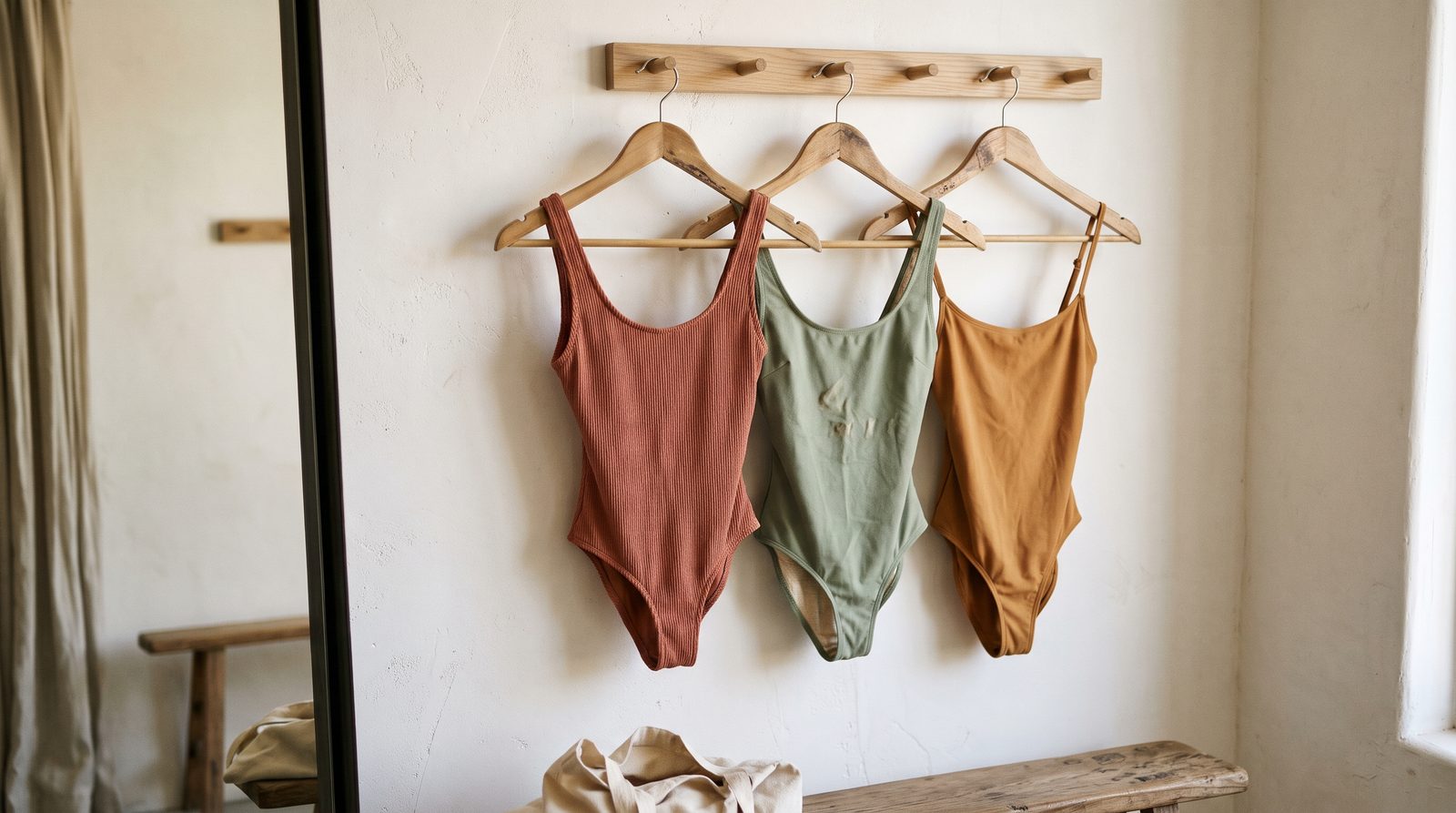
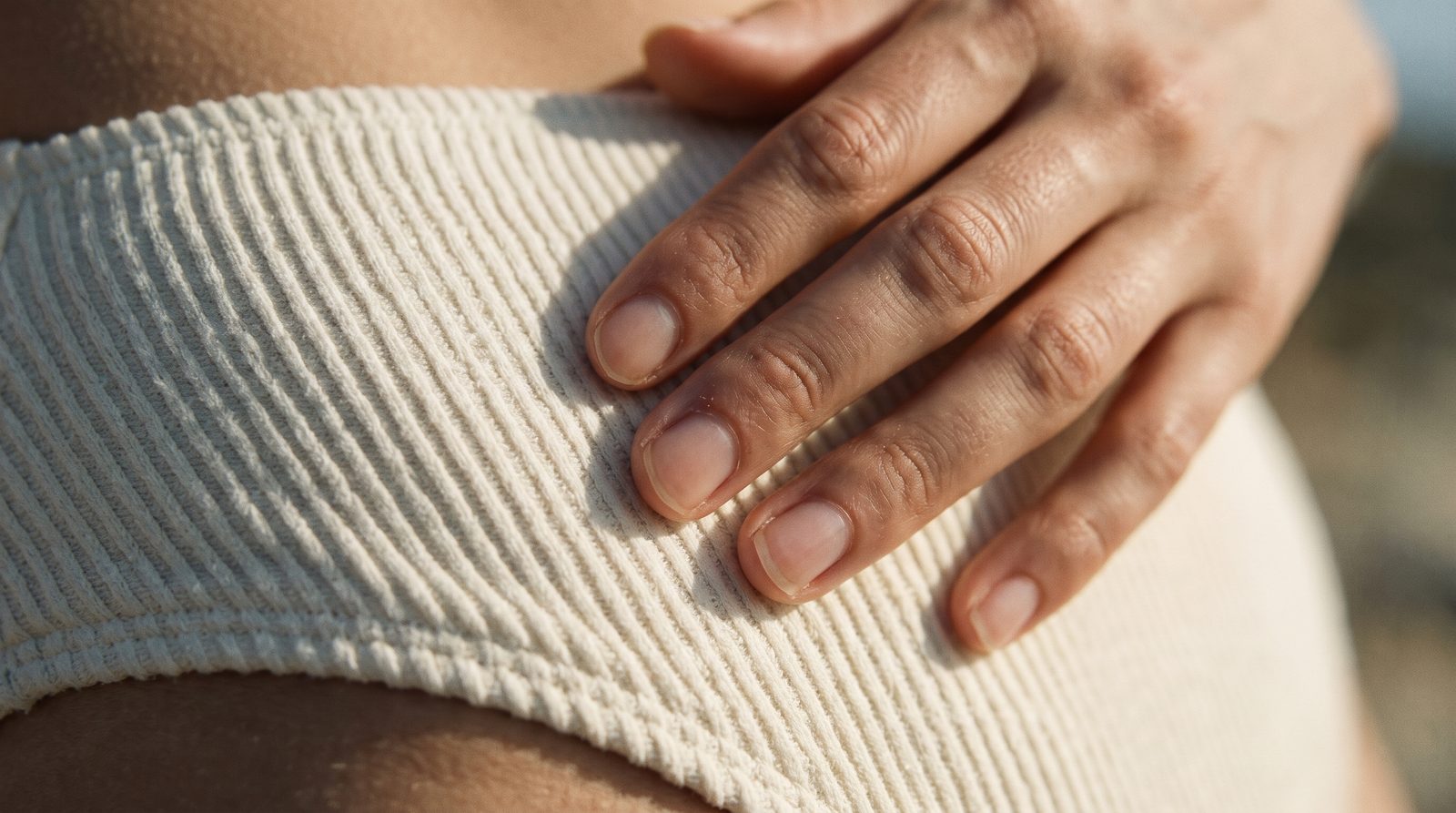
Stretch is the second factor. A knit with 20% elastane recovers well, but thin high-stretch fabric opens across the hip and bust when pulled. Hold a pale suit against a window before buying: if you can read the pattern of the glass through two layers, it will be worse wet. Ribbed knits hide this better than flat jersey because the texture breaks up the light, which is why a rib reads more solid than a flat knit in the same shade.
Three fit checks to do before you get in the water
Try the suit on and move through what you will actually do: raise both arms overhead, crouch, and twist to look behind you. A sleeve that rides to the elbow when you lift your arms will do the same in the sea, and a neckline that gapes when you crouch will gape when you sit on a towel.
Then check the leg and shoulder seams under tension. Run a thumb along the inside of the leg opening: if it digs in, the elastic is too tight for a suit you plan to wear for four hours. Finally, sit down in the changing room. Skirts ride up when you sit, so if the skirt is the reason you chose the suit, look for one with a built-in brief rather than a separate wrap.
- Arms overhead: the hem should stay within 3 cm of where it started.
- Deep crouch: the neckline should not lift more than a finger's width from the chest.
- Sit for 30 seconds: the skirt should fall back without you adjusting it.
Layering without adding weight
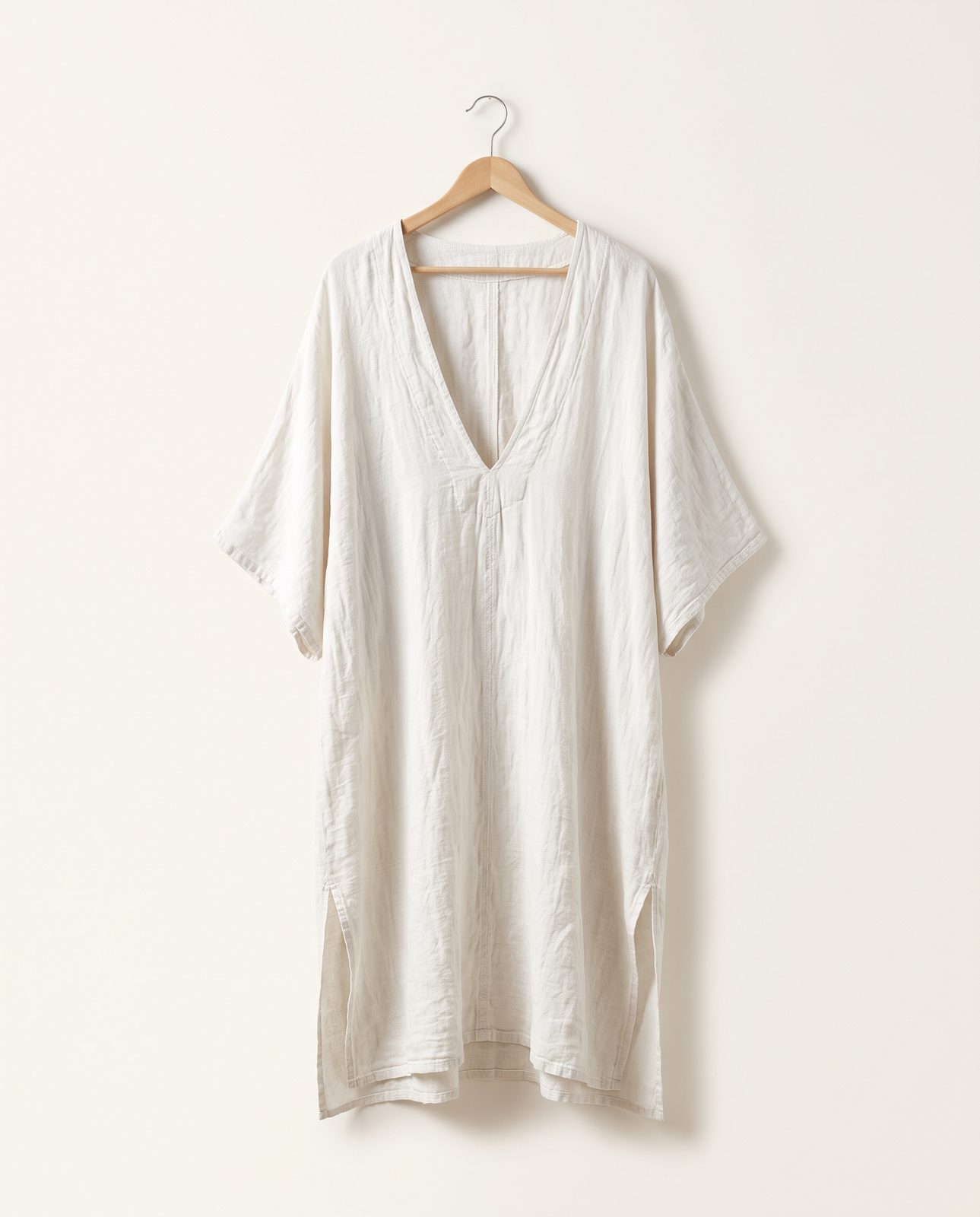
A cover-up does more for comfort than an extra layer of swim fabric. A linen shirt in 140–160 gsm worn open over a one-piece dries in about 20 minutes in sun and shades the shoulders without the cling of a rash vest. For actual swimming, a close-fitting long-sleeve top in the same swim knit as the suit is the better option; cotton holds water and pulls at the shoulders when you stroke.
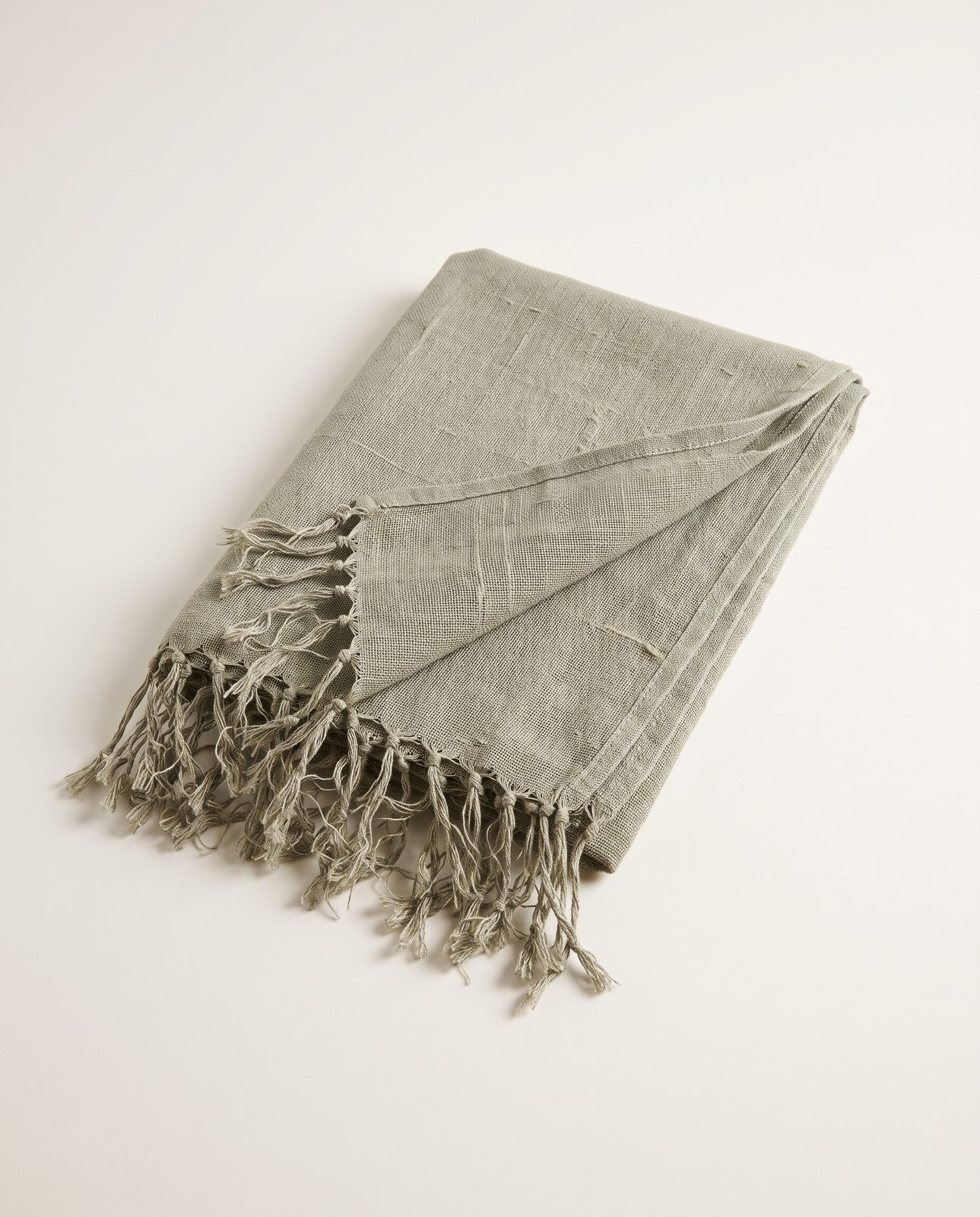
Skirts and sarongs are useful on land but add drag in the water. A sarong in a 90 x 180 cm size ties at the hip and covers to mid-calf while you walk to the water, then folds into a bag that weighs under 200 g. Keep one in the beach bag and treat the swimsuit as the swimming layer, not the walking-around layer.
Washing a high-coverage suit so it keeps its shape
Rinse in cool water within 30 minutes of swimming. Chlorine and salt both attack elastane, and a suit left damp in a bag for a day loses recovery across the seat and knees first — exactly where a modest cut carries the most tension. Use a teaspoon of mild detergent, never fabric softener, and squeeze rather than wring.
Dry flat in shade and inside out. Expect 2–4 hours for a 230 gsm suit with a lining. Hanging a wet suit by one strap stretches that shoulder by 1–2 cm over a season. Pale colours also pick up sunscreen stains, so rinse the neckline and underarms where cream collects before it sets.
Frequently asked questions
Does modest swimwear slow you down in the water?
A little, and mostly at the leg and sleeve. A skirted suit adds noticeable drag on turns, while a close-fitting long-sleeve top adds very little. If you swim laps, choose a high neck with a standard leg rather than a skirt.
Can I wear a modest swimsuit for aqua aerobics?
Yes, provided the leg opening stays put when you lift your knees. Look for a suit with a silicone grip strip or a higher-cut brief under the skirt. Rinse it straight after a chlorinated class to protect the elastane.
How do I stop a white modest swimsuit going see-through?
Choose 220 gsm or heavier fabric with a bonded lining and check it against a window before buying. Wet fabric loses roughly a third of its opacity, so buy the denser option rather than the lighter one.
What should I pack for a modest beach day?
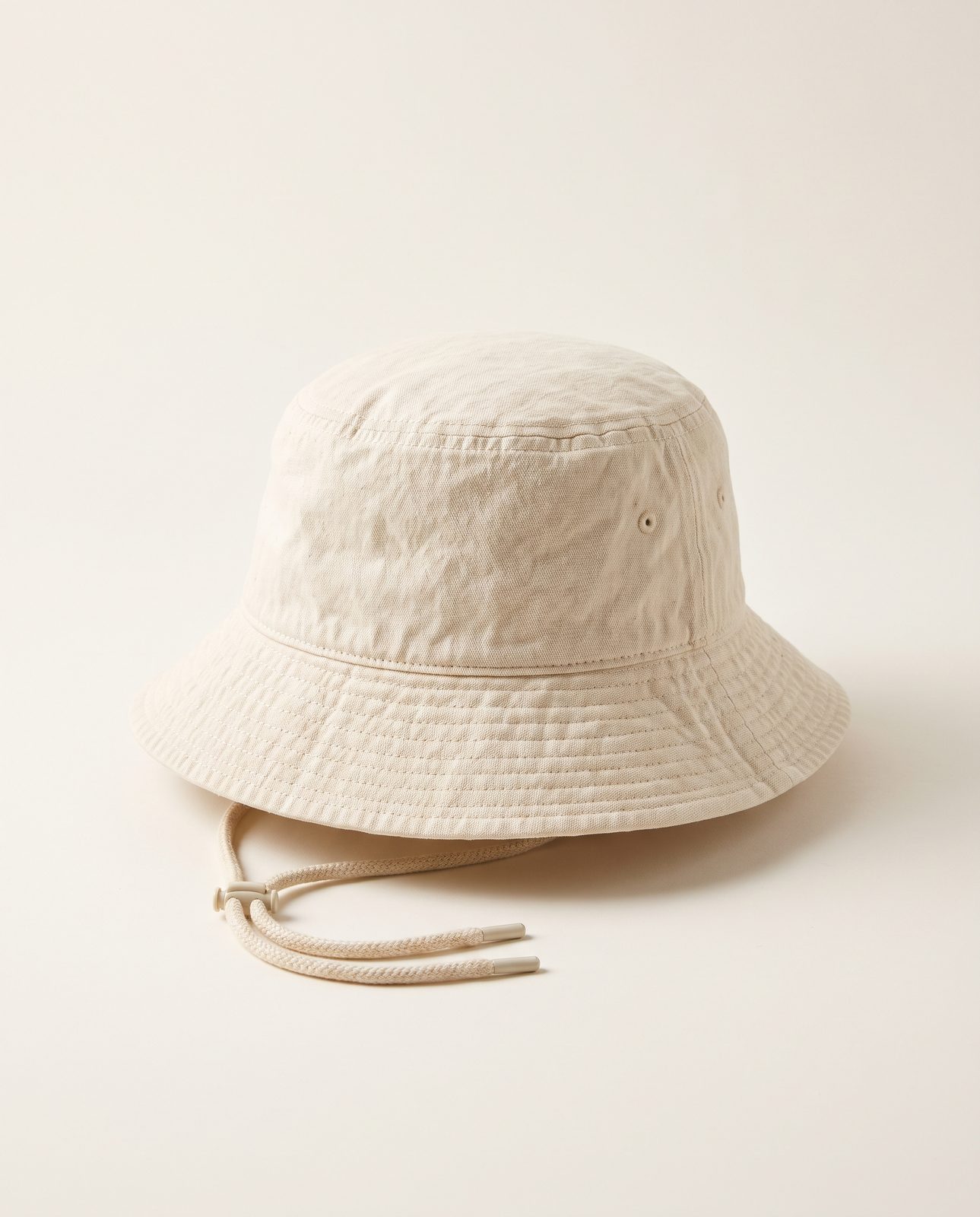
A one-piece or skirted suit, a linen shirt, a sarong and a hat cover most of the day with three layers. Add flip-flops for hot sand and a pouch for your phone. The whole set packs into a tote in under five minutes.