The best beach bags for travel are the ones that survive a 45-minute walk to the cove and still close with a wet towel inside. After six summers of packing for the Spanish coast, we judge them on four numbers: packed volume in litres, base width in centimetres, strap drop, and empty weight. A bag that fails any of those becomes a cupboard resident by August.
What follows is how we choose, what we pack for a week, and where our straw beach tote earns its price against a €15 market bag. No lab tests and no invented ratings, just what we have learned carrying samples to the beach and back.
Start with litres, then check the base
A solo day bag needs 12–18 litres: one 500 ml bottle, a folded 90 × 170 cm towel, sunscreen, a phone pouch and a cover-up. For a full day with two people, 25–30 litres is the honest figure. Anything past 40 litres stops being a beach bag and becomes luggage you carry downhill.
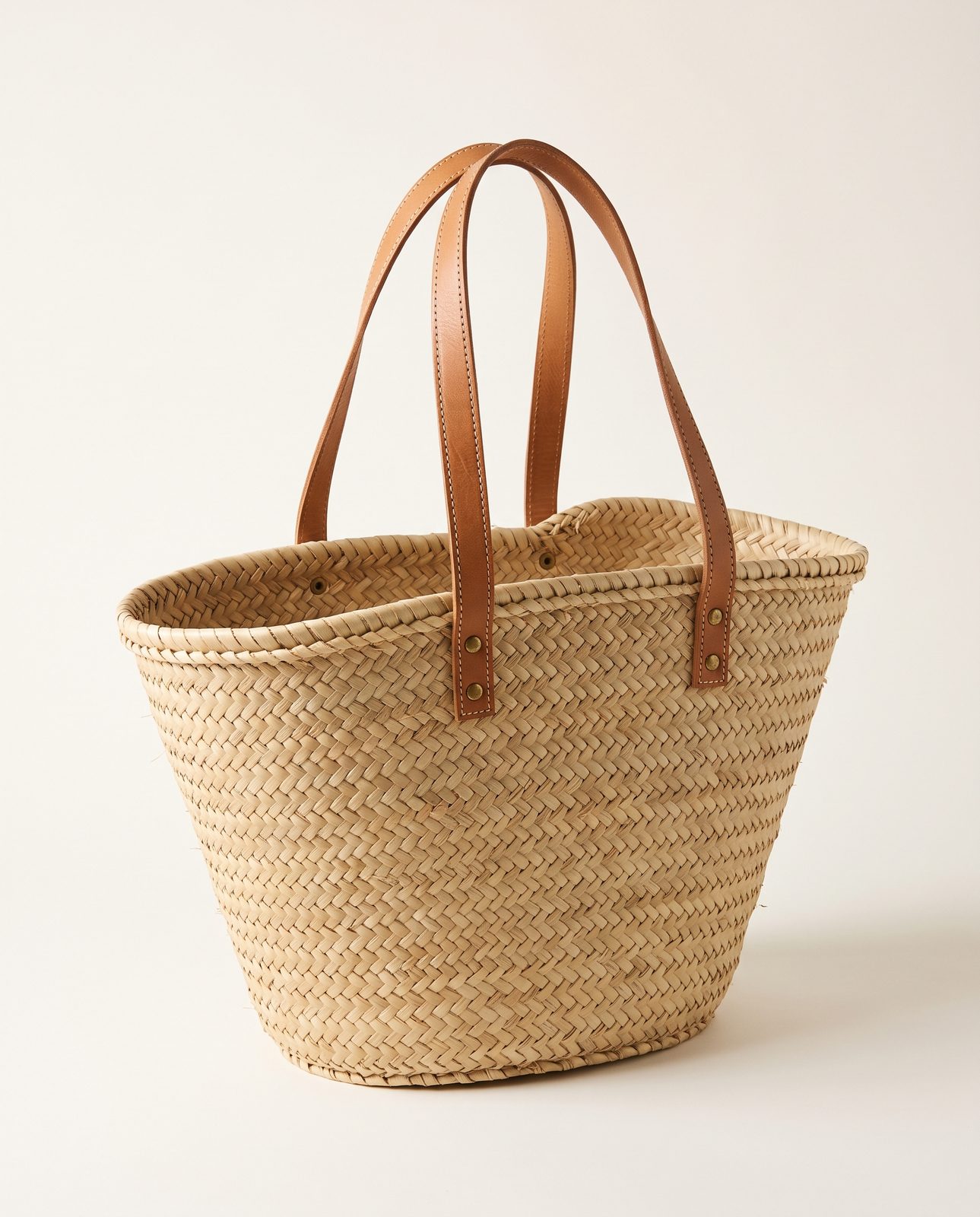
Base width matters more than height. A 45 cm flat base sits on sand without tipping when you pull a towel out; a 28 cm bucket rolls over at the first gust. Measure the base on a table before buying, because most listings quote height, which tells you nothing about stability. Our straw beach tote has a 45 cm base; the canvas bag we take on flights is 2 cm narrower and noticeably less steady in soft sand.
- 12–18 litres: solo day bag
- 25–30 litres: two people, towels and lunch
- 45 cm flat base: stable on soft sand
- Under 700 g empty: still comfortable at 4 kg loaded
Straps and hardware decide comfort
Loaded with a wet towel at roughly 800 g, a litre of water and a camera, a beach bag weighs 4–5 kg. At that weight a 2.5 cm strap digs into the shoulder within ten minutes. We look for 4 cm woven webbing or a rolled leather handle, and a shoulder drop of at least 25 cm so the bag clears your hip when you walk.
Check the handle join: a box-X stitch in polyester thread holds, while a single line of cotton thread on a straw tote pulls through by week two. Metal zips corrode in salt air unless they are brass or coated, so plastic teeth with a fabric pull are the safer choice for a bag that lives outdoors. On a 30 °C day a narrow strap also traps sweat, which is why we prefer webbing with a slightly textured finish.
Straw, canvas or recycled sailcloth
Straw and seagrass look right on sand and shed dry sand quickly, but they are stiff, gain weight when damp — a 45 cm straw tote can pick up 300 g after a wet towel sits in it — and they snag on knitted cover-ups. Canvas is lighter per litre, folds flat into a suitcase and takes a 30 °C machine wash.
Recycled sailcloth sits between the two: wipeable, water-resistant and stiff enough to stand up, though it is usually the heaviest option and the least forgiving of overpacking. For flights we fold a canvas tote into the case and leave the straw one at home.
Keep sand and water where they belong
Two details separate a travel bag from a pretty one: an inner zip pocket for keys and cards, and a lining that is removable or wipeable. Sand works through unlined straw weave in minutes, while a cotton lining traps it at the bottom where a quick shake will not reach.
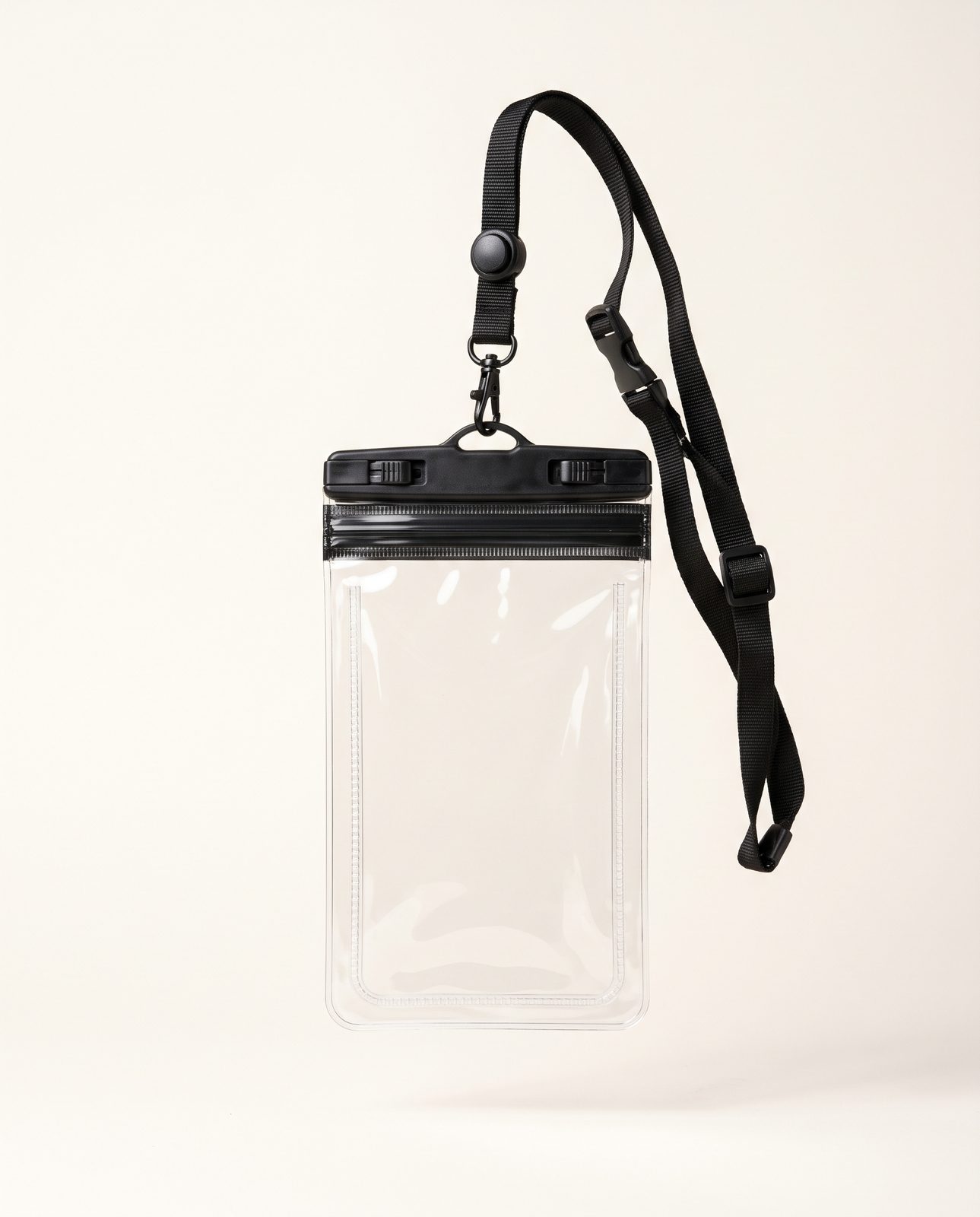
For boats and pools, a dry pouch for the phone is not optional. A 20 × 12 cm waterproof pouch weighs about 40 g and keeps a phone usable while you swim. Without one, salt water and sunscreen are the two most common ways a holiday phone dies. Add a 30 cm lanyard so the pouch stays on your wrist at the water's edge rather than in a pocket.
Best beach bags for travel: what we pack for a week
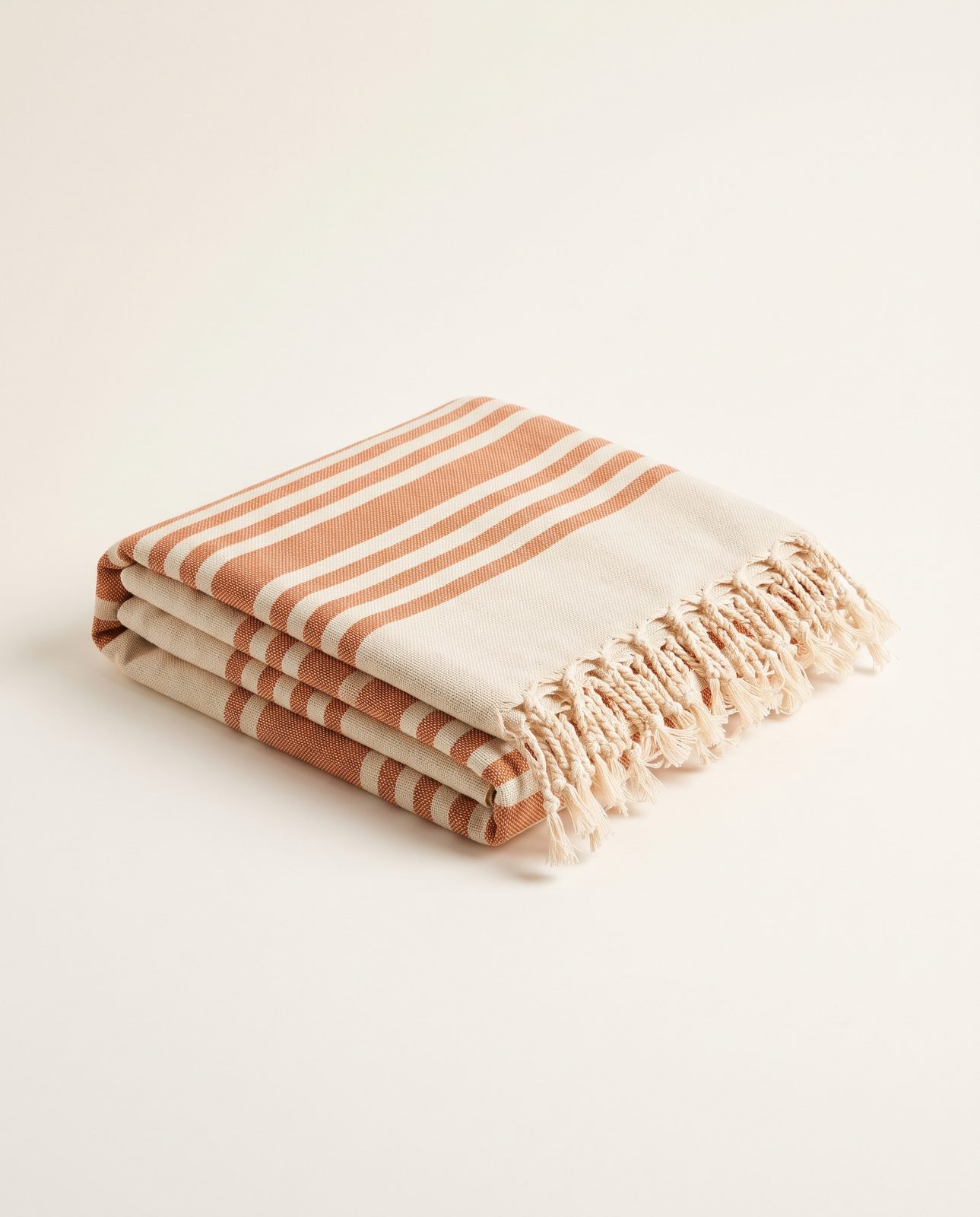
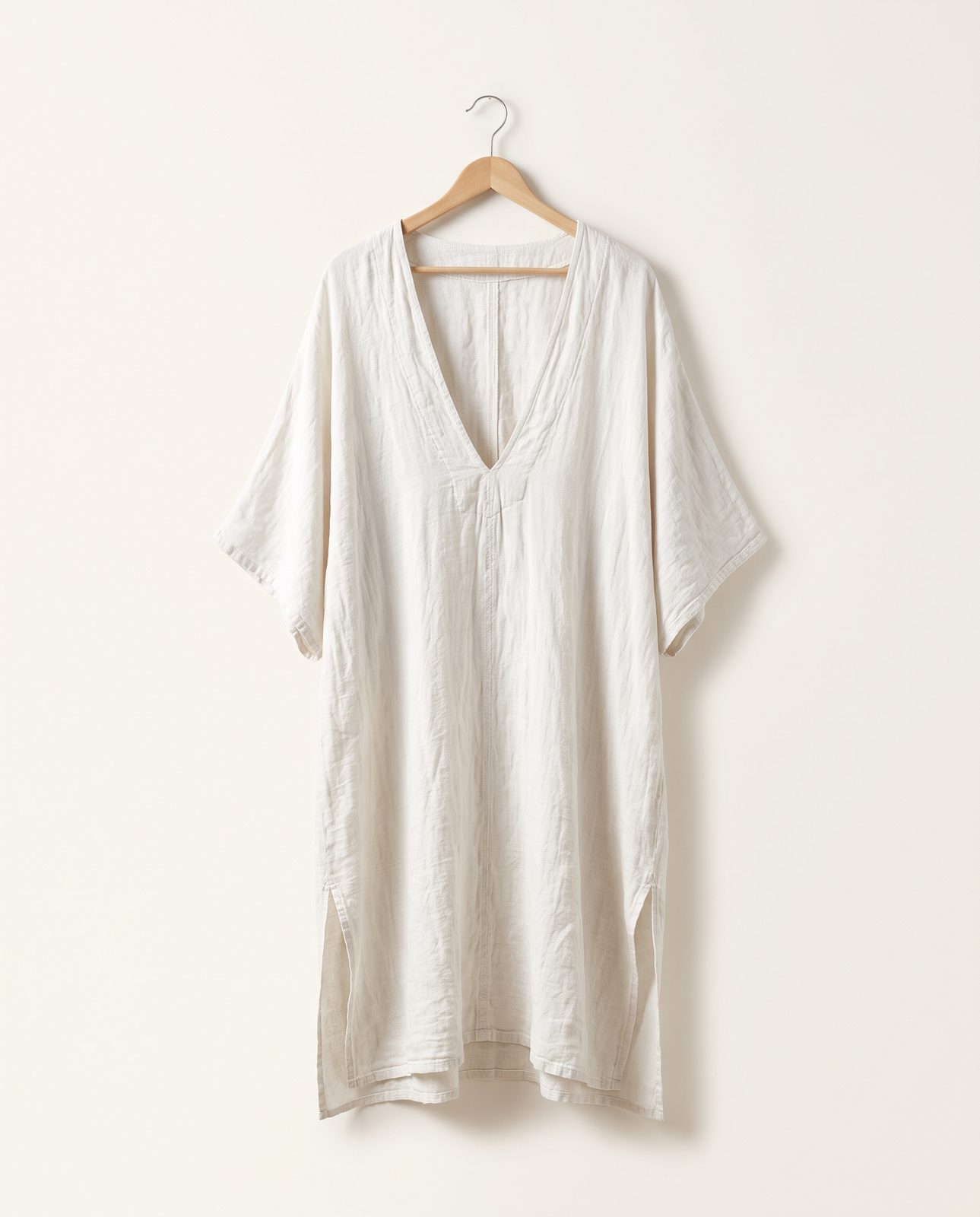
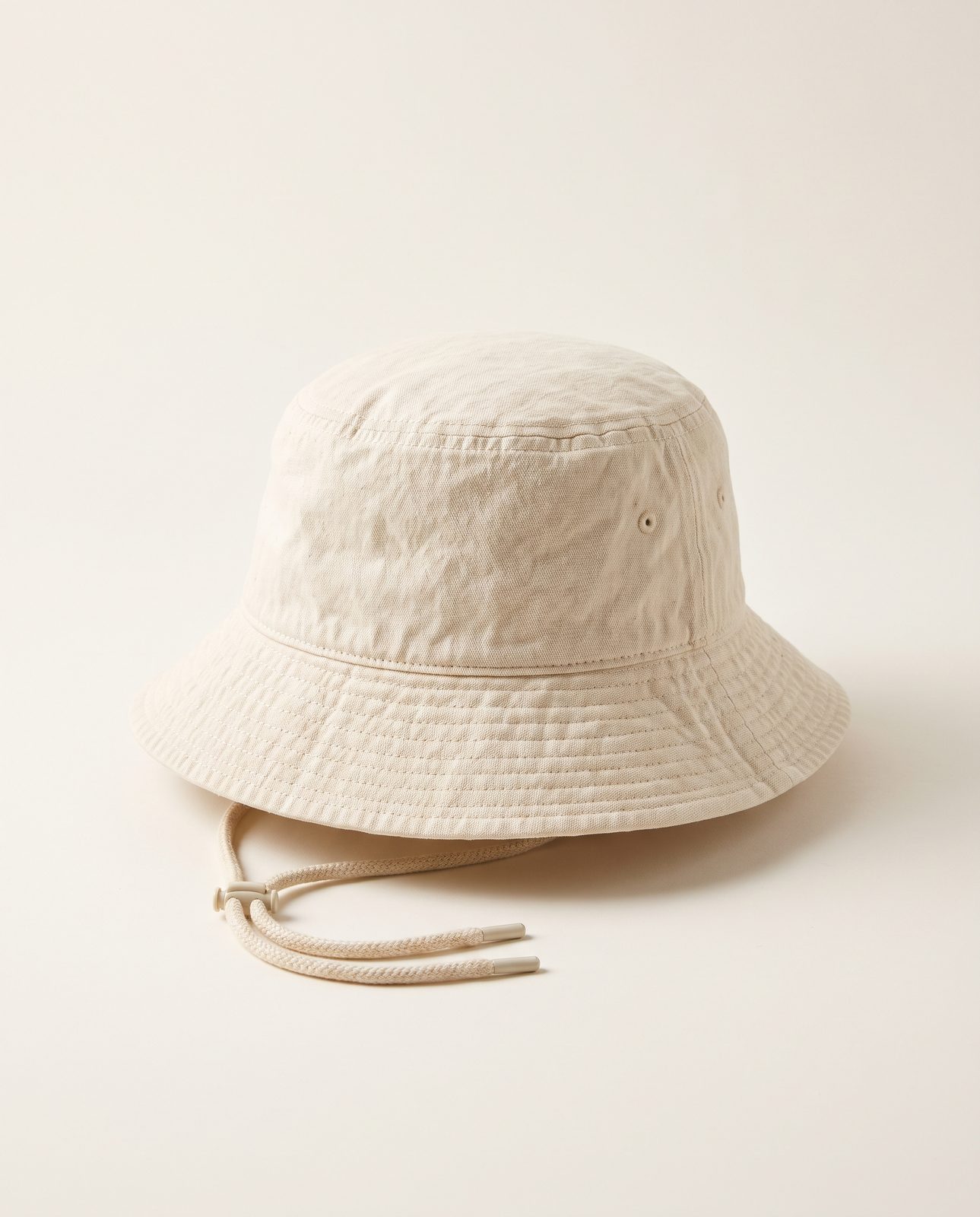
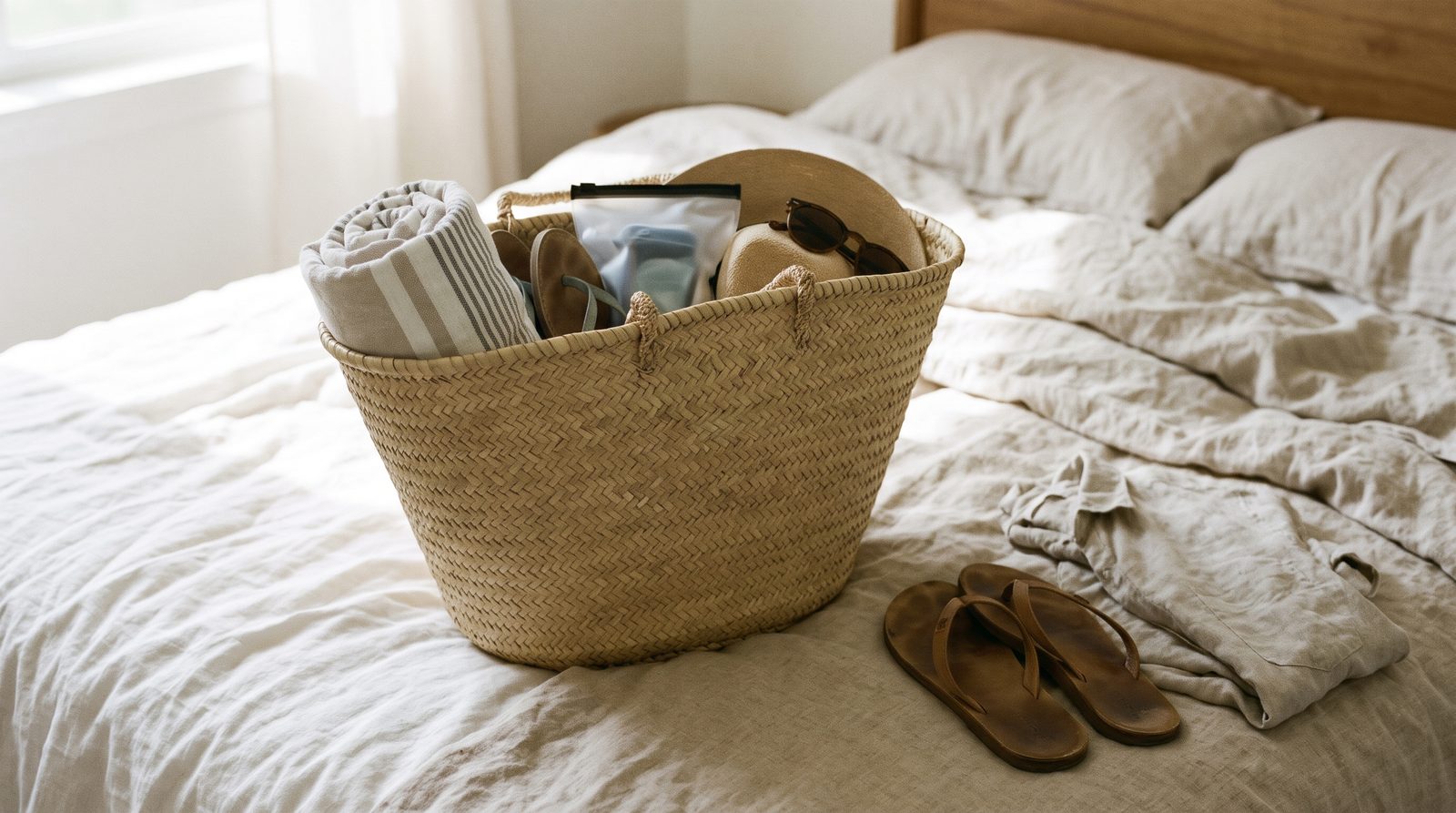
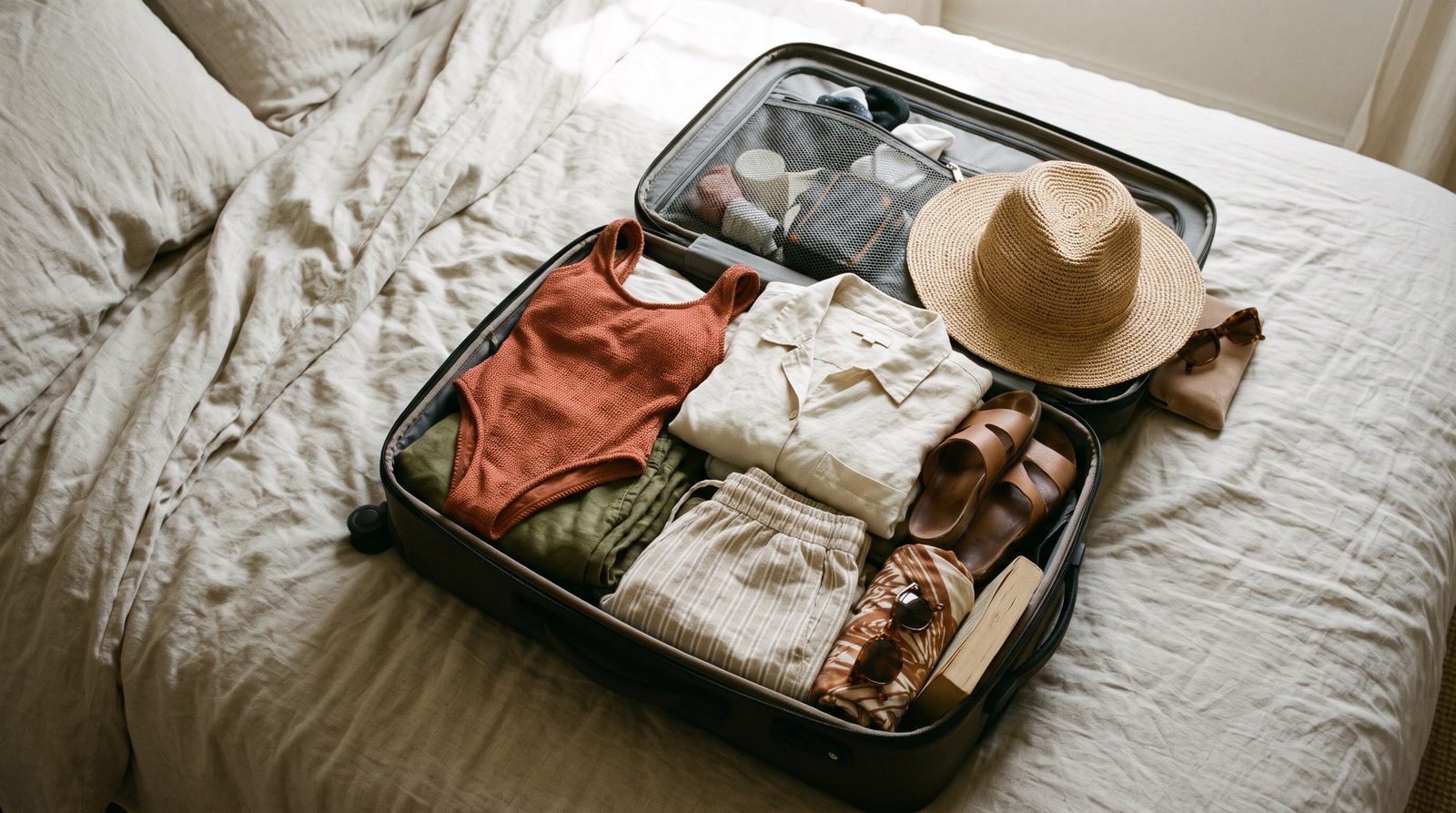
Our list for one person, one week at 30 °C: two swimsuits so one dries while you wear the other, a linen cover-up dress, one striped beach towel at 90 × 170 cm, a 500 ml bottle, 100 ml sunscreen, a phone pouch, a cotton bucket hat and a paperback. It fills a 25-litre tote with room for a market shop on the way home.
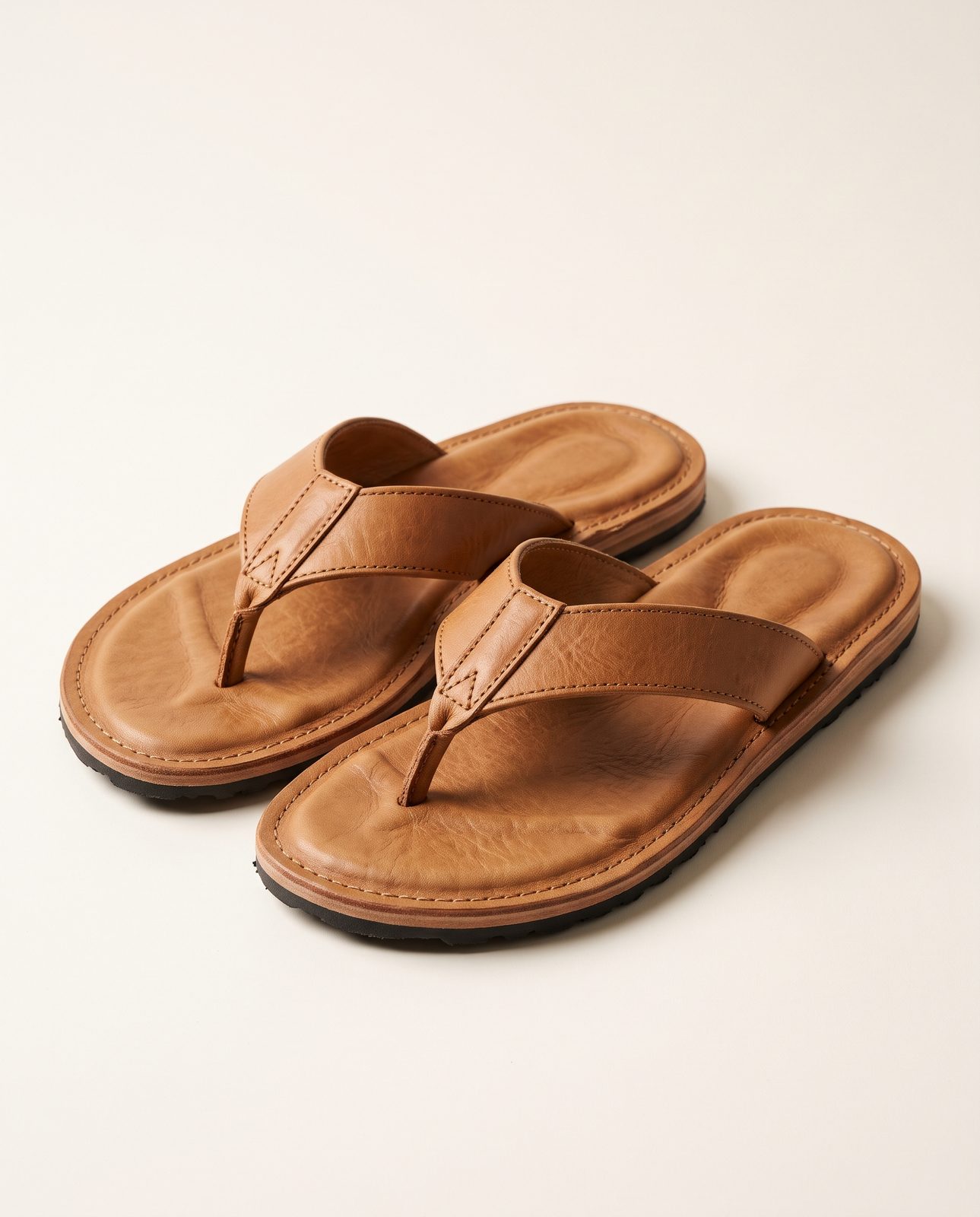
If you fly with hand luggage only, wear the leather flip-flops and lay the towel flat at the bottom of the case. Towels compress to about 4 cm; bags do not. Packed for a week, a 25-litre tote weighs around 3.2 kg, light enough to carry on one shoulder through a train station. Buy the bag last, once you know the volume you actually carry.
Frequently asked questions
Is a straw beach bag allowed as hand luggage?
Usually yes, provided it fits your airline's cabin size and weight limit. A 45 × 35 × 18 cm straw tote weighs around 900 g empty and holds roughly 28 litres. Check your carrier's figures, since they vary by 5–10 cm between airlines.
How do I stop sand getting into my beach bag?
Choose a lined bag with an inner zip pocket, keep the closure shut while you walk, and turn it upside down before you leave the beach. A cotton lining you can pull inside out removes far more sand than brushing the outside ever will.
Canvas or straw for a two-week trip?
Canvas, unless you have a car and a fixed base. It folds to 3 cm, weighs around 380 g and can be washed when sunscreen leaks. Straw is the better holiday photograph but the worse suitcase companion.
What size beach bag fits two towels?
Around 25–30 litres, with a base of at least 40 cm. Two 90 × 170 cm towels rolled rather than folded take about 9 litres of space on their own. Add water and a cover-up and a 20-litre bag will not close.