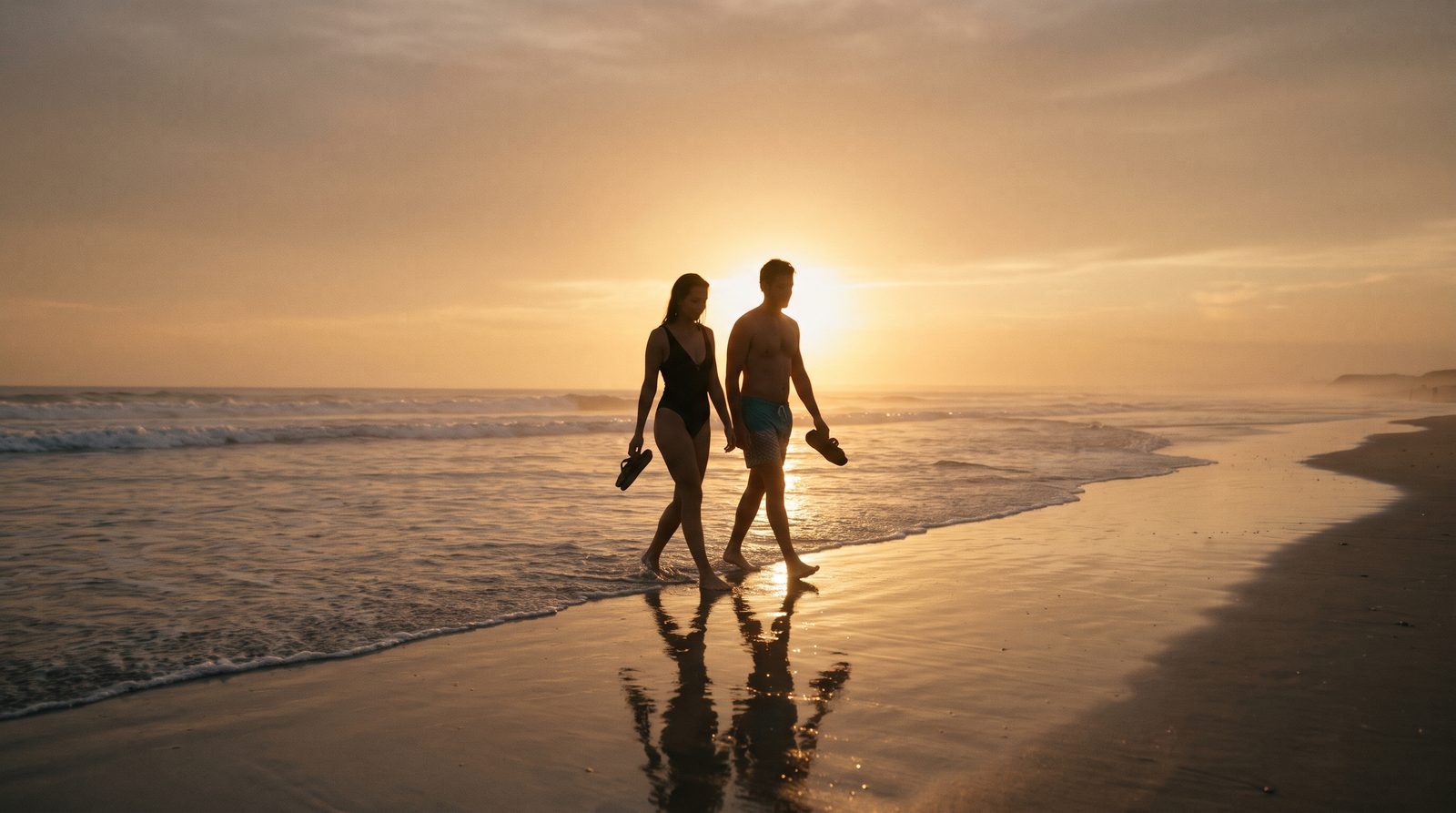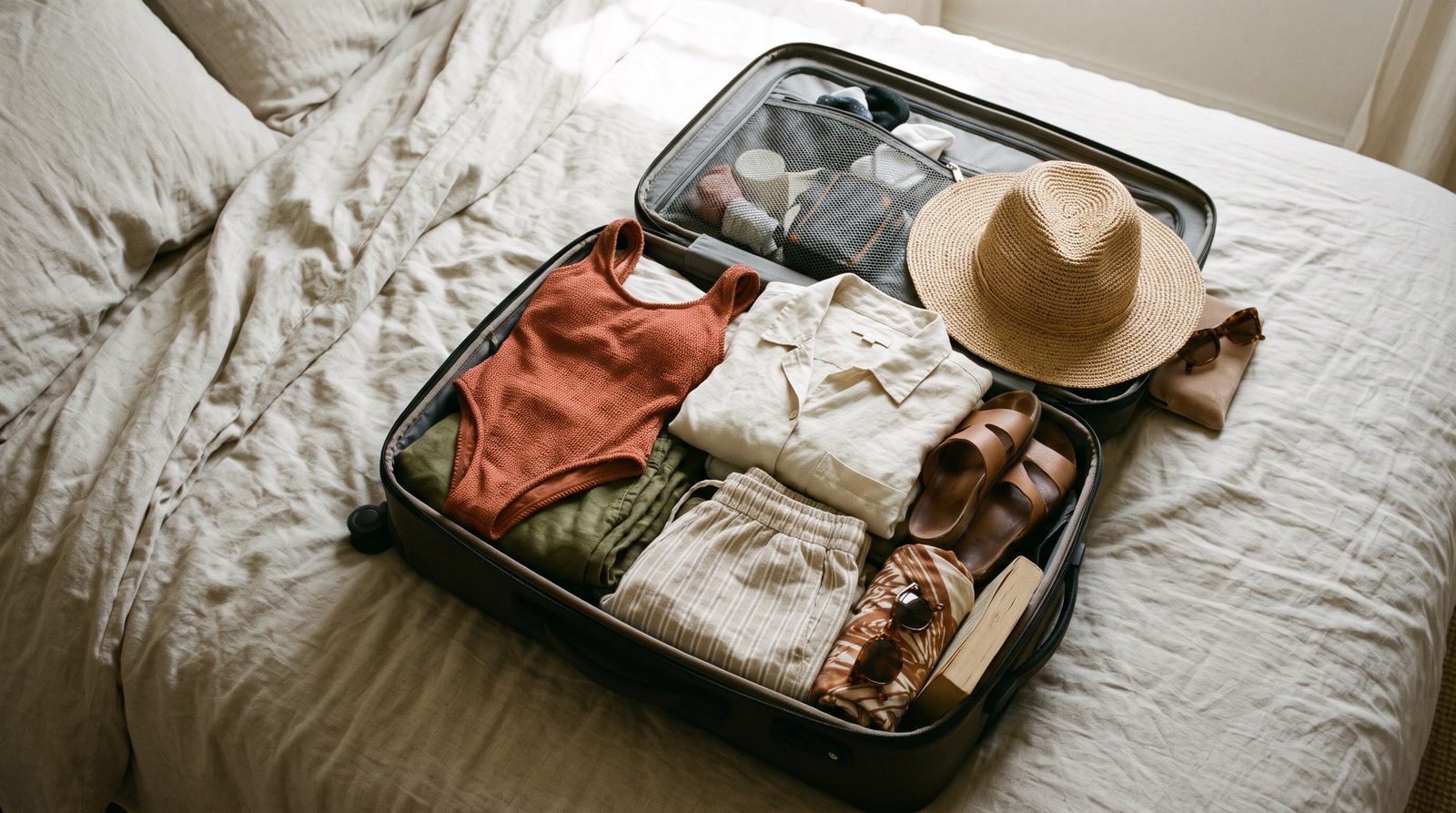
A Maldives honeymoon packing list comes down to one number: how many times a day you get wet. On a resort island you swim before breakfast, snorkel at midday and stand in the sea at sunset, so the working figure is two swimsuits in rotation per day, not two for the whole trip. Everything else on this list supports that rhythm — fabric that dries in humid air, one warm layer for air-conditioned dinners, and shoes that survive wet sand.
We pack for the Maldives the way we pack for our own trips: one carry-on each, 23 kg between two people, and nothing that needs ironing. This list covers 10 to 14 days in a beach or overwater villa, with the air at 80% humidity and the lagoon at 28–30°C.
Maldives honeymoon packing: the four-suit rule
Four swimsuits for ten days is not extravagance, it is laundry maths. A ribbed nylon-elastane suit rinsed in fresh water and hung in shade is dry in about four hours; a padded, cotton-lined suit takes ten to twelve. At 80% humidity nothing dries on a bathroom hook overnight, and villa laundry is charged per piece — usually €4–6 for a swimsuit, which adds up faster than a fifth suit.
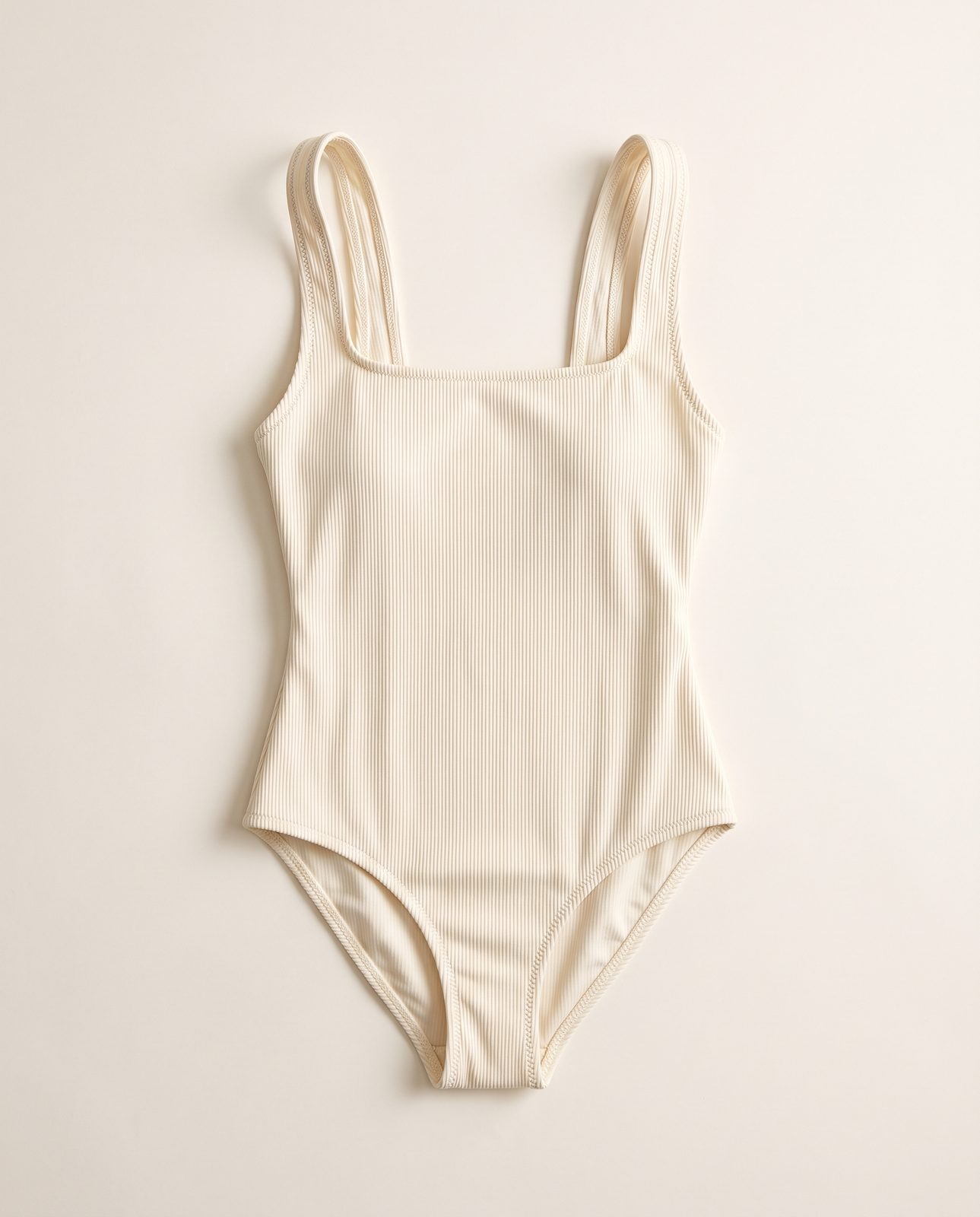
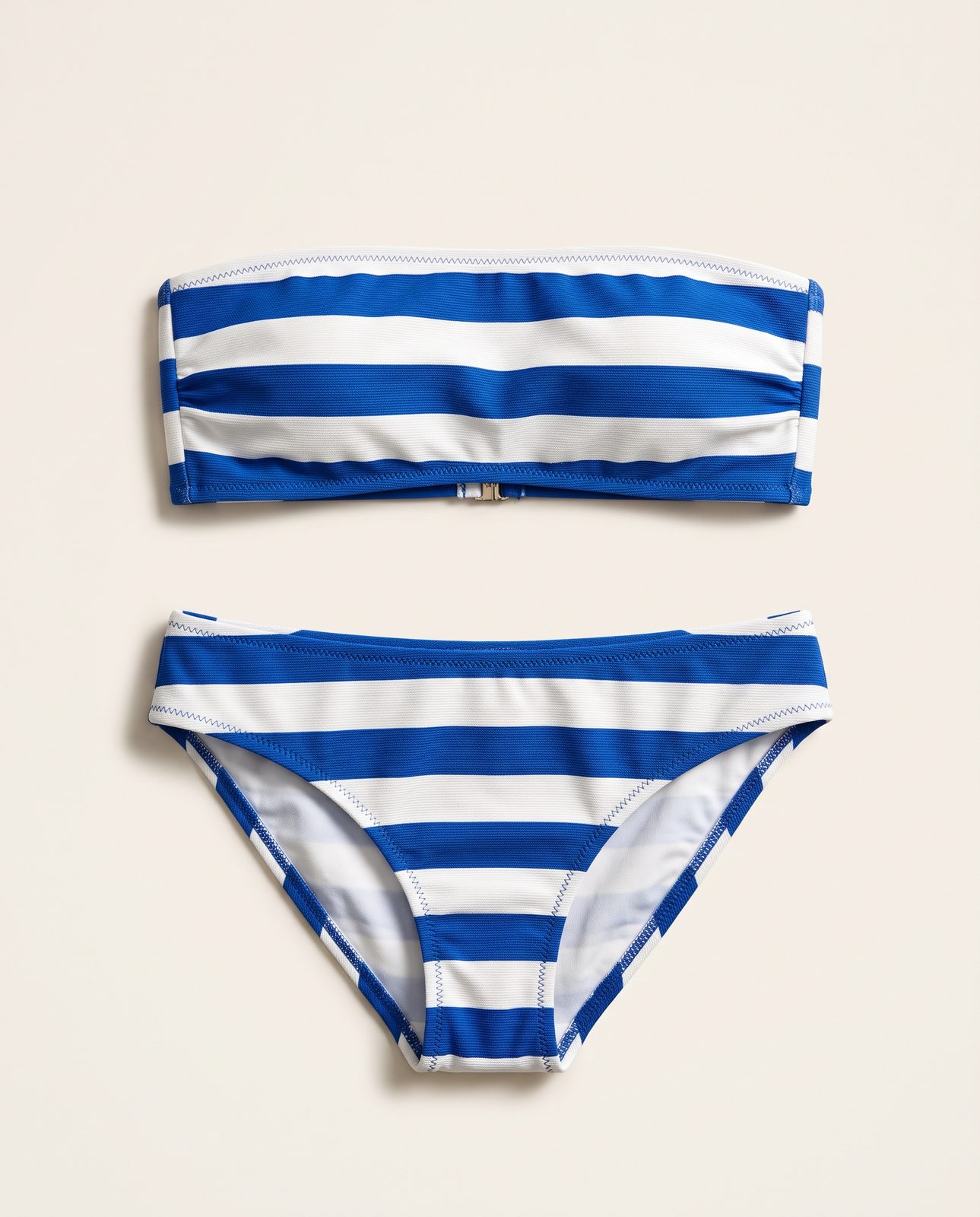
Our rotation for a two-week stay: two one-pieces for snorkelling and long swims, two bikinis for tanning and boat days, plus one white suit kept for photographs. The ivory ribbed onepiece (€85–99) is the one we take when luggage is tight, because it works as a swimsuit and, with the seagrass sarong, as a beach outfit.
- Rinse every suit in cold fresh water after the second swim of the day.
- Dry flat in shade; direct equatorial sun fades coral and sage within a week.
- Pack suits in a mesh pouch so damp fabric never touches linen.
Fabrics that survive salt, sun and 80% humidity
Look at the label before you look at the cut. A blend of 78–82% recycled nylon with 18–20% elastane dries quickly and holds its shape, while cotton-rich or heavily padded suits hold water like a sponge and stay damp for a full day. Ribbed fabric at around 190 gsm is our preference — thick enough to be opaque when wet, thin enough to dry on a balcony rail between swims.
White suffers most. Salt leaves a faint grey ring at the seams and sunscreen leaves yellow marks at the neckline, so a white suit needs a rinse after every wear and a 30°C hand wash every third day. Coral and sage hide the same marks for a week, which is why they do the daily work while white comes out for dinner at the water's edge.
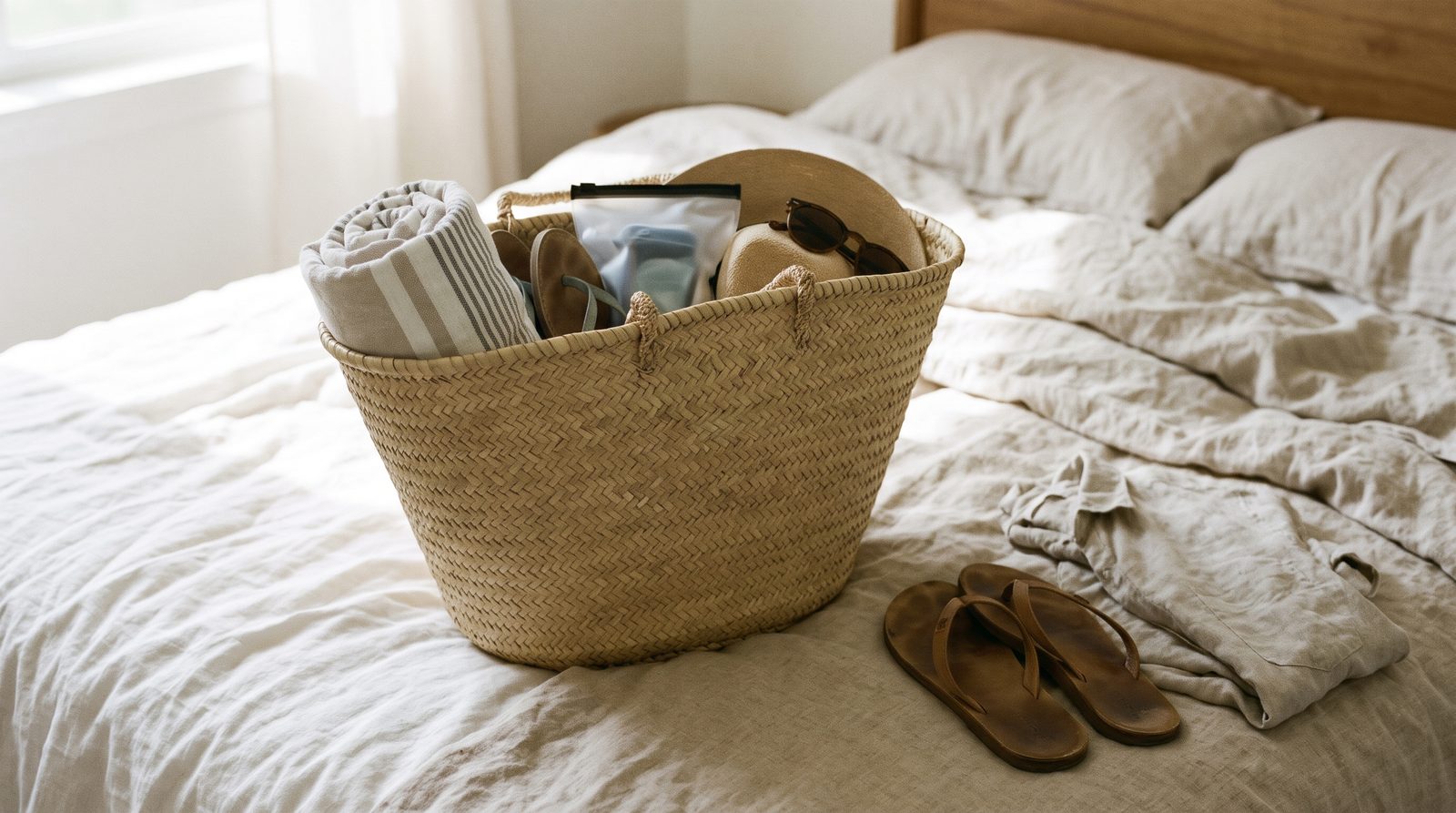
The 7 kg bag that flies on the seaplane
Seaplane transfers typically allow 20 kg checked and 5 kg hand luggage, and the cabin hold is not conditioned like a jet's, so aerosols and loosely closed liquids are the usual casualties. Keep sunscreen, after-sun and one change of swimwear in the 5 kg bag in case the flight is delayed by weather, which is common on wet-season afternoons.
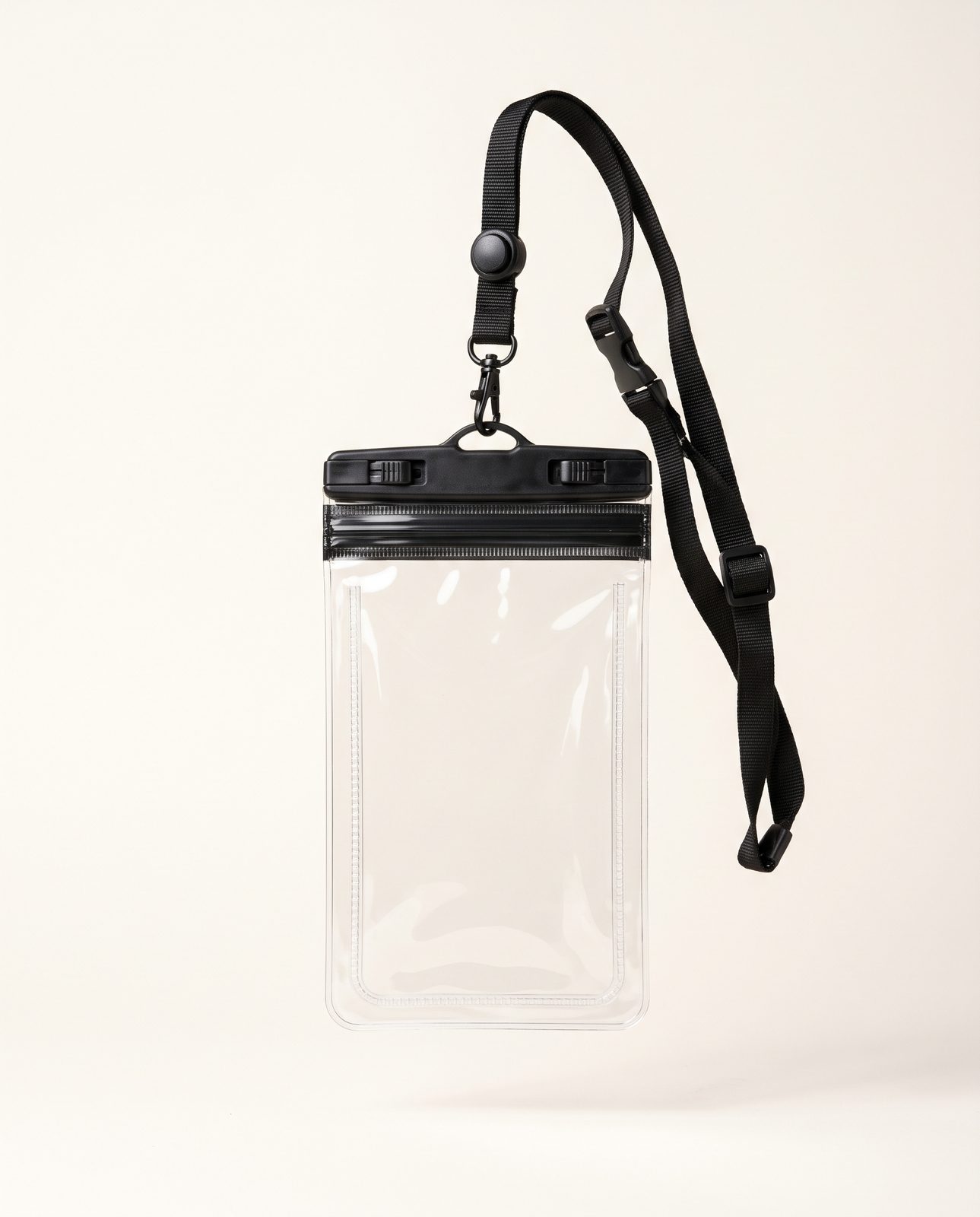
In that bag we carry one swimsuit, a linen shirt, the waterproof phone pouch (€19–29) for snorkel boat transfers, a 100 ml sunscreen and a hat with a 10 cm brim. Everything else goes in the hold, weighed at home rather than at the seaplane counter.
Snorkelling kit: borrow it, do not pack it
Most villas lend masks, snorkels and fins free of charge, and a borrowed mask that fits beats a bought one that leaks. What is worth bringing is a rash vest — 50 UPF, 180 gsm — because two hours face-down in the lagoon burns the back of your legs and shoulders faster than any beach afternoon.
If you own prescription goggles, bring them. Everything else, from reef shoes to a dry bag, can be borrowed or bought on the island at a markup of roughly 40%.
Evenings: one layer, one pair of shoes
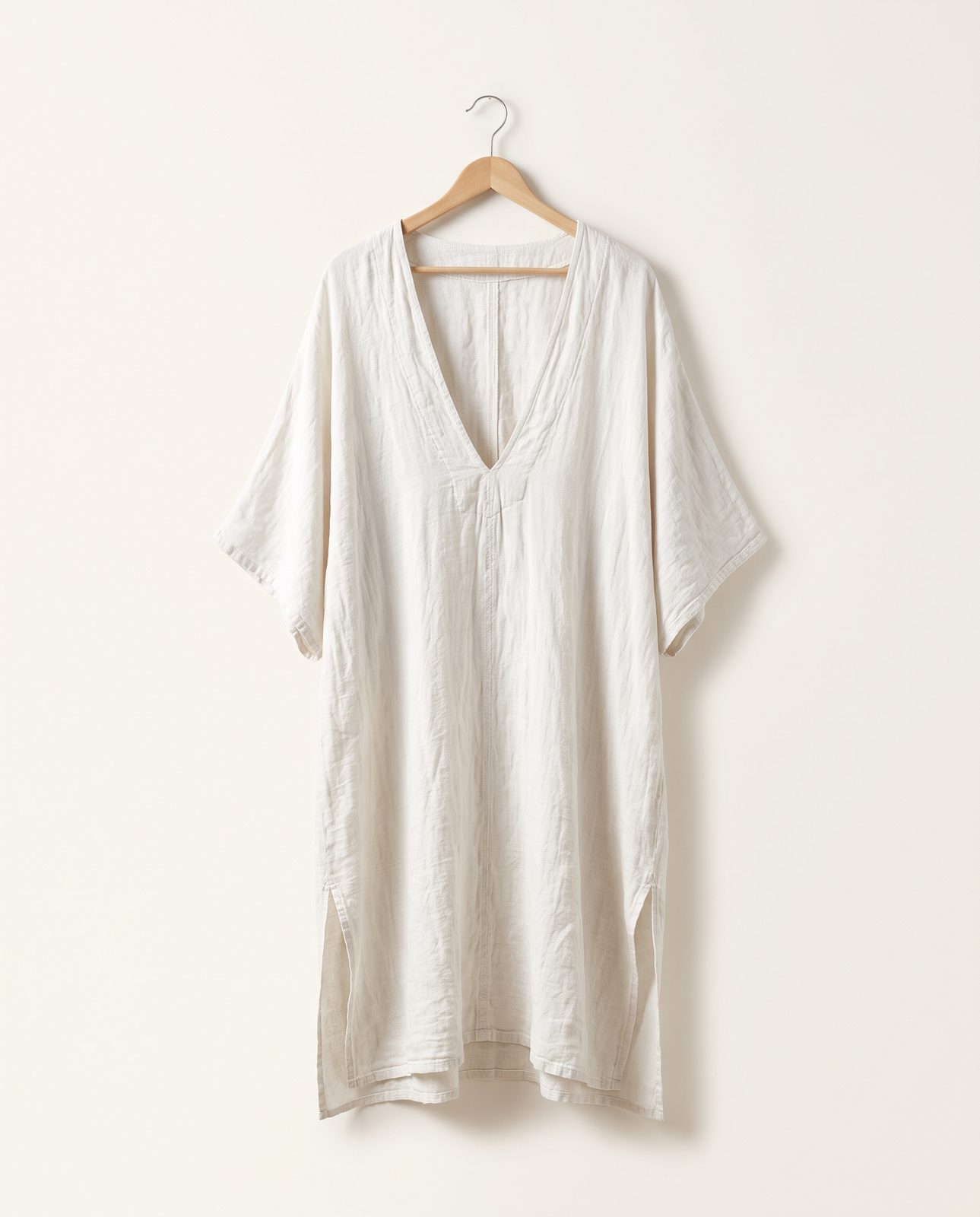
Restaurant terraces sit at 27°C, but the air conditioning inside runs to 22°C, so a single long layer earns its place. A linen cover-up dress (€65–79) over a swimsuit covers lunch, and the same dress with the cowrie shell necklace covers dinner. Men need one linen camp shirt (€75–85) and one pair of leather flip-flops (€49–69); closed shoes stay home.
What to leave at home
Denim is the classic mistake: at 80% humidity a pair of jeans takes two days to dry and smells of mildew before it does. Leave the hair dryer, since every villa has one, along with the gym kit, the second hat and anything that needs ironing. Five paperbacks become one e-reader, and a hard-shell suitcase becomes a soft bag that fits the seaplane hold without a fight.
A 10-day packing list, by weight
Weighed on a kitchen scale, this is what fits in a 40-litre carry-on with room for gifts on the way home.
- Swimwear: four pieces, about 620 g.
- Linen: one cover-up dress, one shirt, one pair of shorts, about 900 g.
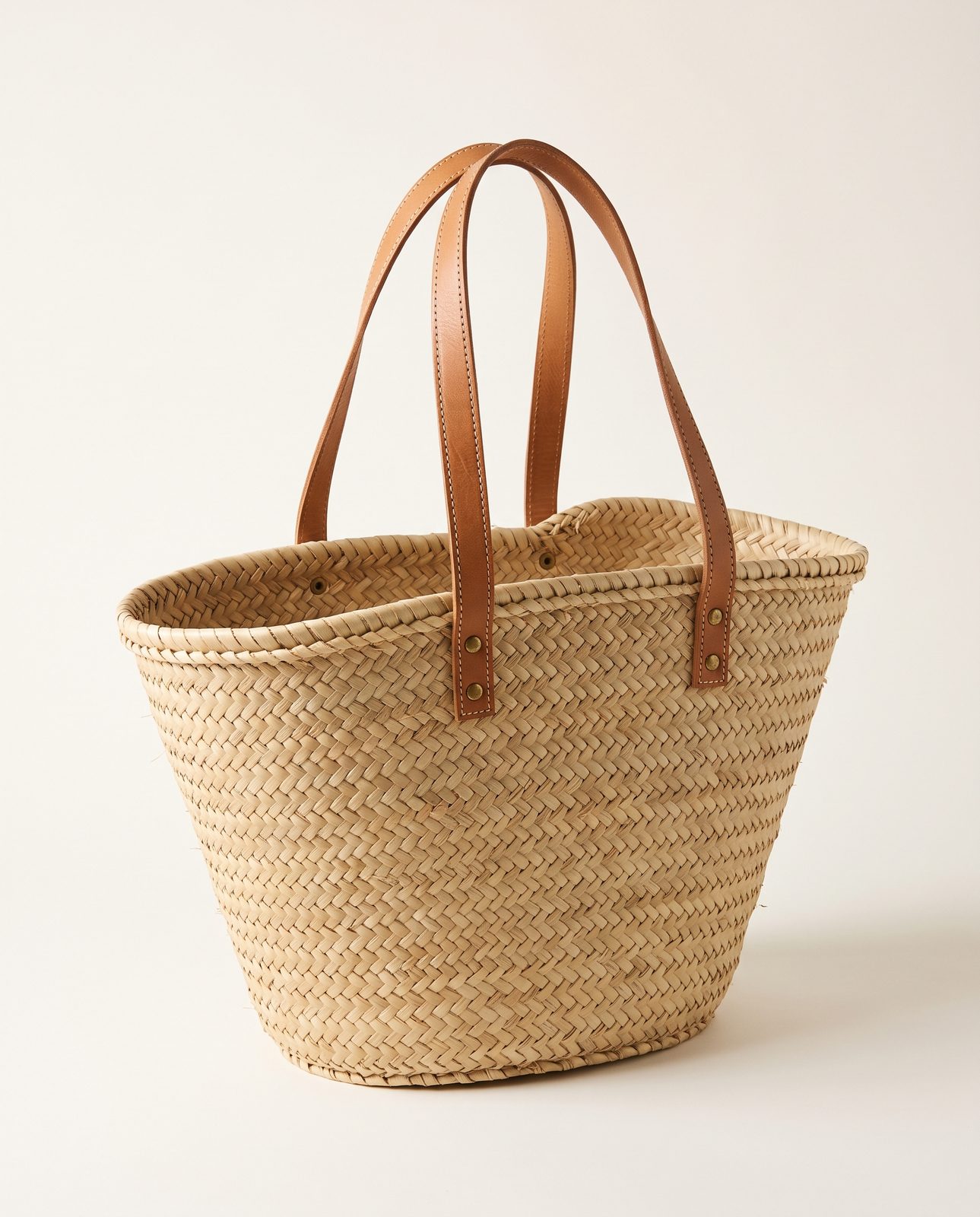
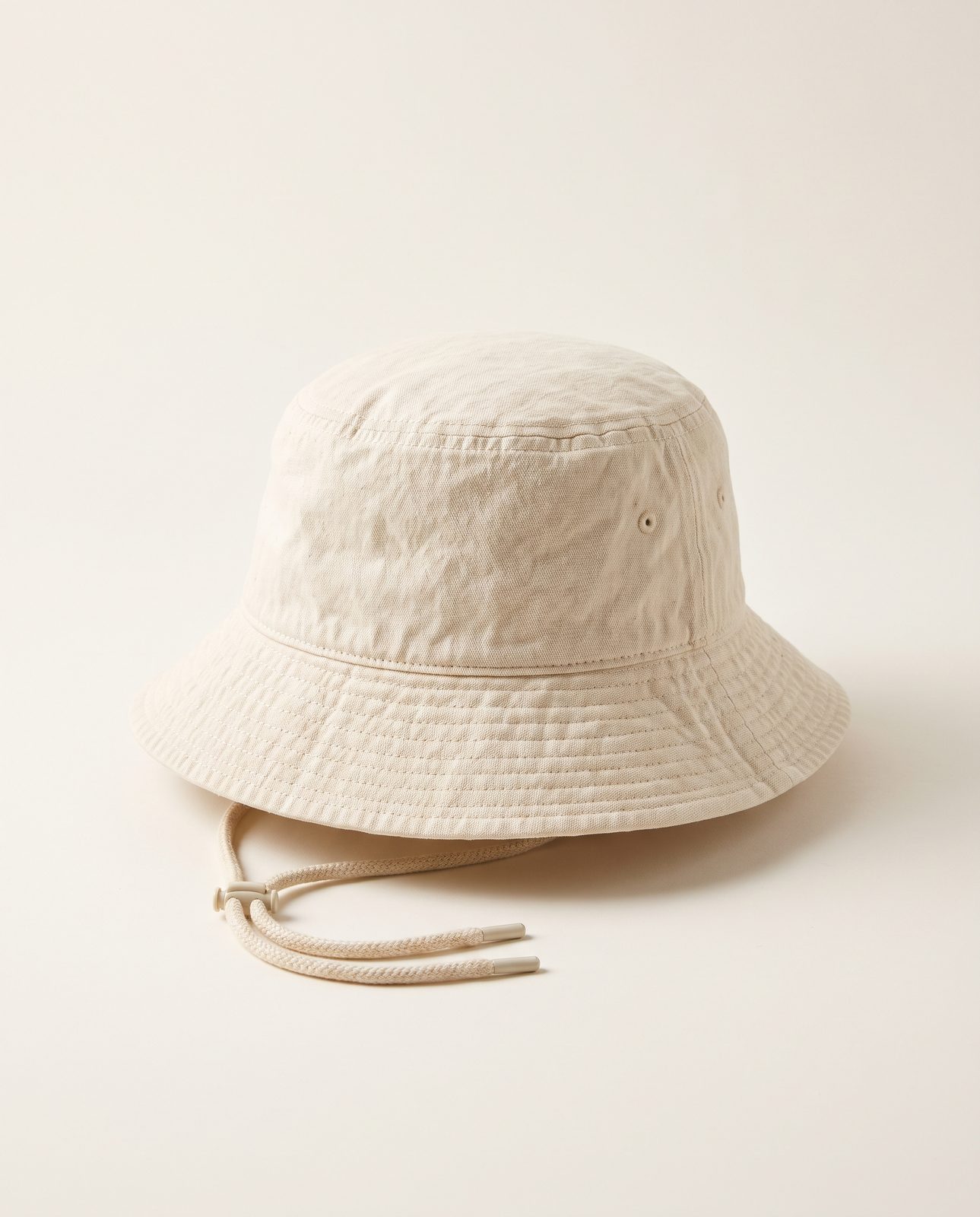
- Accessories: straw tote, bucket hat, flip-flops, about 780 g.
- Toiletries: two 100 ml sunscreens plus after-sun, about 400 g.
- Total: roughly 6.5 kg, which leaves 3 kg of headroom.
Frequently asked questions
How many swimsuits should I pack for a Maldives honeymoon?
Four for ten days and five for two weeks, rinsed daily. Two suits in rotation per day is realistic when you swim in the morning, at noon and at sunset.
Do I need reef-safe sunscreen in the Maldives?
The term is not regulated, so read the filter list rather than the front of the bottle. Mineral filters such as zinc oxide and titanium dioxide are the ones most often requested, and they leave a white cast that shows badly against coral swimwear.
Is white swimwear practical on a humid island?
It needs a fresh-water rinse after every swim to stop salt rings at the seams, plus a hand wash every third day. Keep one white suit for photographs and let coral or sage handle the daily swimming.
What shoes do I actually need?
One pair of leather flip-flops for the beach and one pair of flat sandals for dinner. Reef shoes are worth adding only if you plan to walk the house reef at low tide.